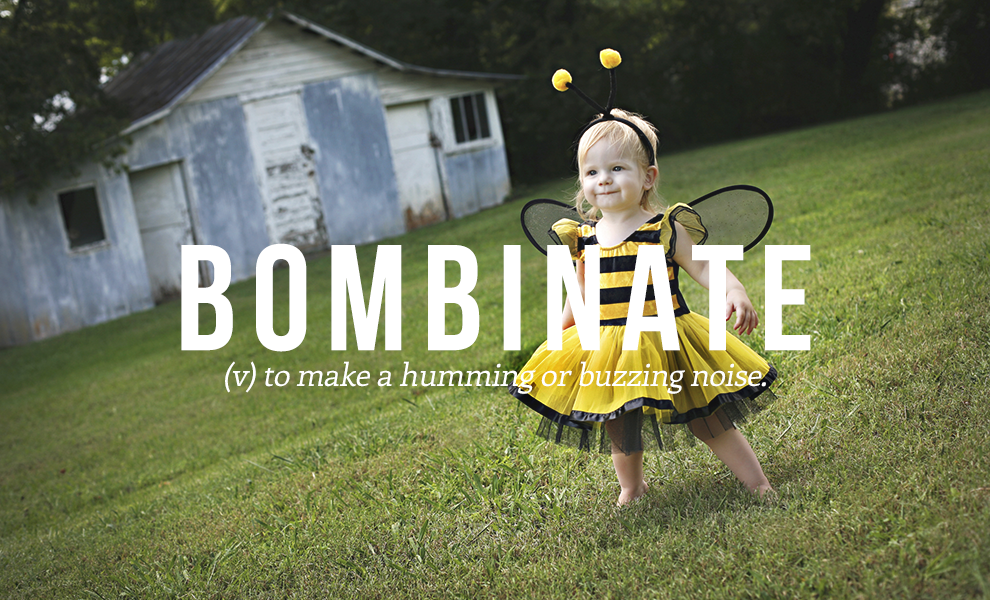
Bombinate

  
It seemed like a good idea at the time.

When MegaCorp first rolled out their hum-activated bracelets, people flocked to buy them.

Both stylish and functional, the Buzzlet looked like a slim piece of jewelry and functioned like a portable computer.  Set to recognize the pitch and tone of its owner, each Buzzlet could be operated with a series of buzzes and hums.  Turn it on with a hum so soft no one but you could hear it! Call your mother with a quiet buzz!  A range of notes to play music, to search the internet, to record a conversation, to add something to your grocery list, or even to turn up the heat on your thermostat or open your garage door!

Interacting wordlessly and handsfree with the device that runs your life seemed like an elegant solution to the conflict between convenience and privacy.  The world was in love, and the object of its desire was a narrow metal cuff.

Soon everyone was walking the streets humming softly under his breath, driving along buzzing and chatting, issuing harsh bleats of wordless frustration in moments of stress.  It became nothing to see children sitting next to one another chatting via texts in a series of vibrating tones.  It was like a secret language had blossomed over night.  

Just as the Buzzlet became so inexpensive that it had spread to every corner of the globe, the side effects began to appear.

At first it was a few isolated cases.  The woman on the buzzing street corner who suddenly stepped out into traffic and was almost killed.  The child who nearly burned his humming parents to death when he intentionally set fire to the house. The couple who smashed their Buzzlets right before completing their murder-suicide pact.

It was easy to dismiss these as fringe events.  The world had always had crazies, people who seemed perfectly normal until the day they snapped.  Those who tried to draw attention to the Buzzlet connection in each case were ridiculed as nay-sayers and Luddites. 

The number of incidents increased over time.  Soon anti-Buzzlet cults rose up and even the world-famous Church of the Silence, which became known for its sound-proofed meeting chambers and members who walked the streets wearing noise-cancelling headphones. 

None of this stopped the popularity of the Buzzlet, however.  If anything, these protests were a kind of free advertising, and there were rumors that MegaCorps encouraged some of its high-profile detractors to speak out. Anything to keep the world talking about the Buzzlet.

Scientists had taken notice of the upswing in violence and began to conduct studies.  A few were well-funded, but many were condemned to obscurity until the Greenfield case brought them out of the woodwork.

George Greenfield was a respected senator from a wealthy New England family.  He was an early adopter of the Buzzlet and became known for interrupting high-stress debates on the floor with loud buzzes, ostensibly for taking notes but also conveniently distracting for his opponents.  Of course, others copied this strategy, necessitating new rules for Senate debates.  But even once use of the Buzzlet was banned from the chamber, Senator Greenfield continued to wear and use his Buzzlet prominantly, right up until the day that he brought a homemade bomb to a meeting on the hill and blew up two senators, three lobyists, and an unknown number of aids.

Suddenly the media was flooded with scientists touting their studies that hums and buzzes activated more than a computer chip.  Certain centers in the human brain were also agitated by these noises, they claimed, and over time this agitation built up into uncontrollable violent impulses.  Studies were still in progress to understand exactly why or how it could be countered, but in the mean time, scientists cautioned against use of the Buzzlet until more data had been collected.

Of course, MegaCorps produced its own scientists to debunk these findings.  They spoke at length about neurons and synapses and sound waves, muddying the waters just enough to keep public opinion divided.  The majority of people, by now completely dependent on their Buzzlets, carried on as normal.

The world was full of buzzing.

As always happens, there came a tipping point.  Naturally, it was in August, one of the hottest Augusts that North America had seen in decades.  Some have argued that the heat contributed to what happened.  Others say it was just coincidence.  It scarcely matters now.

All that matters is that in a matter of weeks, forty percent of the population of the western world turned from average citizens into berserkers, full of violent rage.  Homes were destroyed.  People were slaughterd in their places of work. There were massacres in the streets.  

When the violence had finished running its course, the population was decimated and the humming was silenced.

The world was full of silence.  

Those that remained to rebuild found that they had very little to say.  

And the bees, which had begun to die out in the world humans had created, thrived again and buzzing was left to their domain.

Serendipity


Oliver Tate says that chance ain’t a thing.
“I make my own luck!” says he.
He works hard nine to five,
And he carefully drives
And treats others as he’d like to be.

Oliver Tate has a favorite hat.
He wears it wherever he goes.
But one day there is wind,
It blows off in a spin,
And his head is left bare in the snows.

Oliver Tate has to a buy a new hat
There’s a store on the way to his work
So he goes in one day
To buy quick and not stay
Then stopps short at the sight of the clerk

Harriet Beam says her luck always fails
Her life’s been a pitiful tale
Both parents died young
And she got their weak lungs
She grew up lonely, orphaned, and frail

Harriet Beam had one friend long ago
They lived next door ’til they were ten
Oh how Ollie cried
When Harry’s mom died
Then she moved, never saw him again.

Harriet Beam has to live on her own
So she finds a sad job in a shop
She looks up at the bell
Musters courage to sell
Sees the man stumble as his jaw drops

Oliver Tate marries Harriet Beam,
Gives the happiest toast of his life:
“I wish I could say
I made things end this way,
But in truth, the wind gave me my wife.”

Downside

There’s this huge sign on a main road near my house.  It says, “Can Your Four-Year-old Read This?” There’s some fine print underneath it to the effect of “If not, why not? Enroll them in our crazy private school and they will.”

Every time I drive past that place, I want to burn it to the ground.

I’d like to say that is because of my high principles regarding education and the preservation of childhood, but that would only be one quarter true at best. The real reason it kindles my normally well-controlled rage is that my six-year-old can’t read it.  (That and the fact that the sign is smug and awful, but mostly the six-year-old thing.)

My beautiful youngest child, the most original person I know, has not been quick to learn to read. 

I blame all the stories.

I’ve posted several times here about Lucy, who just turned six and will start first grade in August, and her love of stories. Last week I gave you a sample of the weird and wonderful way her mind works. She is pretty clearly the most creative of my three children, and that is really saying something. 

And yet. She’s not that interested in learning how to read.

Don’t get me wrong. She loves books. Loves them. She loves the idea that stories are inside of them. She likes the idea of someday reading. She just doesn’t want to learn to read.

It’s the stories. I’m serious.

Here’s the thing: right now, the slow sounding out of words is getting in the way. She wants a story, and reading it herself is the slowest way to get one. 

There are a half dozen faster ways. Someone can read to her. She can flip through the pictures and make one up based on what she sees (this one is actually her favorite). She can toss the book aside and invent a story out of her head. She can ask someone else to make one up for her. There are several people in our house to choose from.

  
Believe me, her version of what Hello Kitty is going to do will be way more entertaining than whatever is written in this book.

So. She went to kindergarten. We did all the homework. We plowed through the little phonics books (most of which, gasp, don’t even contain actual stories!). And every single minute of it has been painful and horrible.

She is learning. Just exactly enough to be on the low end of normal for her grade level. But she is not excelling. She did not test high enough on standardized tests to get into the high ability program her brother and sister are in and where anyone who knows her can tell you she belongs. 

 Why I am I telling you this? I’m not publicly shaming my kid or unburdening my deepest fears or even humble bragging (much).  I just passed through a time this year of worrying about this issue, and I’ve finally gotten the monkey off my back, and I thought maybe, just maybe, I’m not the only one who worries about this stuff.

I will not be enrolling my daughter in the horrible private school down the street. I will not be spending my summer pushing her through reading courses.  I will possibly be defacing that sign in the middle of the night. 

Here’s why:

1. The research does not support the current craze for early reading.  You can read about this here, or here, or here. Or any one of a dozen other places. All the studies show that early reading has positive effects on school performance only for a very short time. After a couple of years, there is no difference between the performance of early readers vs. later readers. Long story short, this isn’t going to affect her life after another year or two.

2. Anecdotal evidence tells me the narrative intelligence she’s developed will be more than enough to turn her into a great reader when she’s ready.  My oldest daughter, who is ten and starting fifth grade in August, was a late reader, too. At the time I mostly attributed that to the fact that she was learning two languages at once, so I didn’t worry about it as much. (I still worried some because first child. Also, To a bibliophile there is nothing more terrifying the the idea that your kid might not love to read.) Worry or no worry, the fact remains that she didn’t learn to read on her own until halfway through first grade, which for her was age 7. This in spite of the fact that she has no learning disabililities and is highly intelligent.  She just wasn’t ready. But now? Now she has stacks of books everywhere and has to be nagged to turn off the light at night and can talk books with you for hours. This in spite of the fact that she is naturally extroverted and craves all things people and motion and excitement. This girl was raised on story, and in retrospect, I was ridiculous to waste a single second worrying that she wouldn’t love books or be successful in school. 

3. It’s historically ridiculous that I’m even referring to this as “late reading.” When I was in kindergarten, no one learned how to read. I learned in first grade and didn’t start reading chapter books on my own until later than that. Did you? People didn’t used to even start school until they were seven. There are rumors that Einstein didn’t learn to read until he was nine. Those rumors are likely untrue, but there are also reports that he never wore socks, which is  likely true, and I think has some bearing on this matter because my daughter also hates to wear socks. I’ve lost track of my point… Oh yes the point is that we worry about too many things these days. 

If your four-year-old can read, I congratulate you. If she just makes things up from the pictures, I congratulate you, too. If your ten-year-old can play concertos, I applaud your work. If your ten-year-old sings off key in the shower, I applaud you, too. Their lives have story and music, which means they have meaning and joy. Good for you.

Go tell them a story. It will all work out. 

Nothing

Once upon a time there was nothing.

Emptiness.

Nothing wasn’t the way God wanted things to be.

So he changed that.

At first he made the most basic things, beautiful in their very bare-vines essence. 

Light.

That one was so amazing he just sat with it for a while day, watching the contrast between it and darkness.

Sky.

Land.

Sun.

Stars.

When all the building blocks of the universe were there, grand and glorious, he looked and it was good.

But it wasn’t enough.

He wasn’t done.

He started to get more detailed.

Just really let his creativity go wild.

Plants. In rampant variety. Forming ecosystems. Interdependent. Beautiful. Alive.

Fish. The gorgeous and the weird. Filling the seas. Going into all the impossible places. Teeming. 

Insects. Tiny and intricate. Short-lived but truly alive. Operating independently but surviving as species. Insignificant and vital simultaneously.

Animals. The laughable and the terrifying. Growing. Adapting. Living with each other and off of each other. Forming patterns of behavior. Reacting to their environments in such varied ways that almost, almost you could call it thought.

This was all heart-stoppingly amazing. It was beautiful. It was intelligent. 

It was good.

From nothing. NOTHING. All of this.

And then he didn’t stop. This marvelous variety. This astonishing beauty. This infinity of space and detail. It wasn’t enough.

It was still too close to nothing.

It lacked. Intelligence. Risk. Pain. Forgiveness. Relationship.

So he made human beings.

And they were astonishing. Powerful and weak. Independent and utterly dependent. Full of knowledge and complete in their foolishness.

They immediately began to wreck everything. 

They did it so thoroughly, made so much ugliness, so quickly, that God had to start over.

But not from nothing.

He would never go back to nothing again.

Instead he shook the whole thing up, washed it over, rearranged it all.

A new beauty. A new beginning. This time with the added knowledge of how bad things could be. 

And so it went. Always and forever. Pain. Suffering. Evil. Healing. Recovery. Forgiveness. 

Death over and over again in real, full life.

Risk. Loss. Gain.

Something. (alive and terrifying and ever-changing and uncontrollable)

Filling the nothing.

Which will never come again.

And it is very, very good.


Weekend Hike

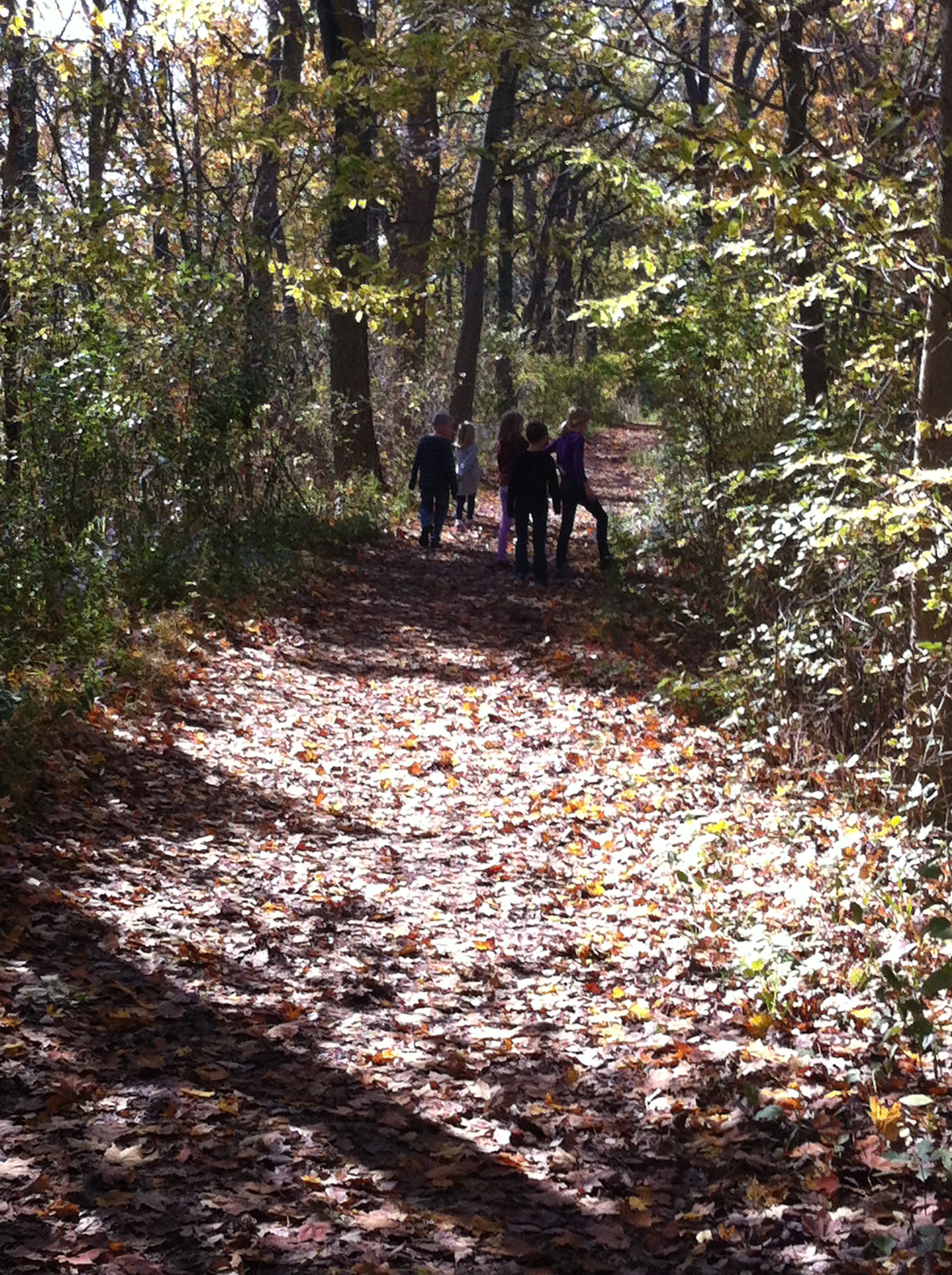
True statement: Getting down the hill is much easier than getting back up.

However, when it’s muddy and slippery and rocks tip just a little under your feet, you’re still pretty glad to reach the creek at the bottom and stick your toes in the cool flow and rest up for the return journey. 

  
 This has all the makings of a wonderful metaphor, clearly, but for today we’re just stick to what actually happened. 

Lucy: How can Papi walk so much faster than the rest of us on the rocks?

Me: Because he’s sure-footed. That’s why they call him Papi Goatfoot.

Lucy: Oh! Goat foot because goats never fall down on the mountain?

Me: Exactly.

Lucy: It’s like the story of the wise old goat.

Me: …

Me: I don’t think I know that one. How does it go?

Lucy: Okay. Well. Once there was a rabbit. And, um, it was up on a mountain and it went up to the edge of a big cliff and wanted to go down. It said, “I could just jump off here.” But the wise goat said, “You shouldn’t do that. Go down this other way.” But the rabbit didn’t listen. It jumped off anyway. And then the goat went around and down a little ways to where there were some stairs. It climbed down, and when it got to the bottom, there was the rabbit, dead from the long fall.

Me: Wow. That rabbit really should have listened to the wise goat.

Nate: Even though they have such big ears, rabbits never listen. They are the most ironic of animals.

Lucy: True. Now you make up a story, Papi.

True Statement: Lucy’s stories are a hard act to follow.

I mean, a wise old goat and a dead rabbit. Have the mental image? Now you go. Story. Now.

Nate: Once upon a time there was a wide-mouthed froggy. 

I’m going to assume you all know the story of the wide-mouthed frog. If not, click here

Ellie, who is ten and always gets a joke, rolled her eyes. Lucy, who was expecting an ending to a story and not a punchline, puzzled over that one for a while. By now, we were climbing the hill, though. It is a steep hill.  


True Statement
: Climbing a steep hill does not help you puzzle through things clearly.

Lucy: Okay, Mommy, your turn. Tell a story.

Me: Um, pant, pant, um… Once upon a time there was a pig.  

I’m not typing out that whole story. Let’s just say it wandered around and the animals did not appreciate the pig’s whining and the pig dies at the end. 

True Statement: Climbing a steep hill tends to make you think about death more than you normally would.

Lucy: Let’s take a rest. Look, Gramma’s down there resting. Gramma! You want to tell a story now?

Gramma: Not while I’m climbing.

Lucy: Okay, I’ll go again. Once upon a time there was a cow…

I’m not going to lie. The cow died at the end, too. On the bright side, we were much closer to the top by the time of its demise.

Lucy: I need another rest. Look! Gramma is resting again, too.

Ellie: It’s okay, Gramma. I used to always be the last one up, too. I had to rest a lot.

Me: I guess you got a lot stronger this year.

Ellie: I think I was just distracted by the stories.

True Statement: There’s nothing like a story to take your mind off the huge hills you have to climb.

Equally True Statement: You should never believe me when I say I’m not going to turn something into a metaphor.

  
The last part of the hill is the steepest. No one told a story. Lucy did find the breath to comment, however.

Lucy: All our stories today were about animals.

Me: I guess some days are just like that.

True Statement: I can’t focus on catching my breath and also come up with interesting things to say.

Me: A bunch of the animals died, too.

Yes, I’m unoriginal and morbid while climbing.

Lucy: Well, that’s just life. Especially for animals. I mean, you never hear about someone killing a person so they can eat them. But animals…

True Statement: My daughter may also be morbid, but she has no problem coming up with interesting things to say while climbing.

Me: Oh look! We’re at the top! 

Lucy: My legs hurt. Why aren’t we at the car?

Me: Not far now! And remember what happened to the pig who whined too much in the woods.

Lucy: If you tooK me up by the road and let someone take me, they wouldn’t take me to a farm and eat me, they would take me to an orphanage. 

Me: True. So, moral of the story: don’t whine in the woods.

Lucy: No, that’s the opposite of what I said. If you carried me to the road, I would be in a car.

True Statement: You always tell stories at your own risk. There’s no controlling what conclusions your listeners will draw.

Equally True Statement: That’s why I’m never going to stop.

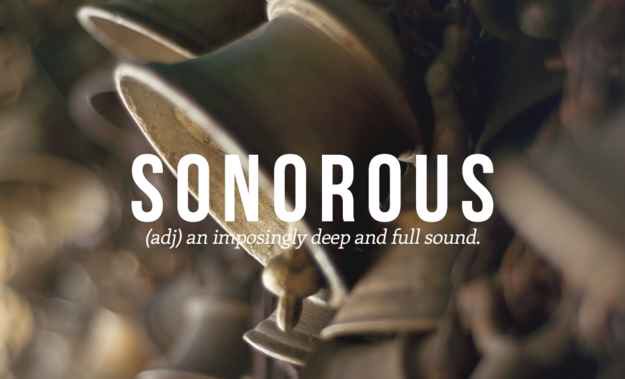
Sonorous


it’s the sound that we all are so longing to hear
we’ve been waiting all day (well, let’s face it, all year)

when it comes, it’s deep echo will fill me inside
with the rumbling of freedom, the clear note of pride

the seconds tick by, my heart braces to sing
on that beautiful moment when the last school bell rings

Epoch


We just wanted a tire swing. 

After spending the winter sitting behind my big brother singing songs as we rode the Wonder horse in the garage, I was ready for some outdoor fun. He was six and knew everything. All it takes is a rope and an old tire, he said. Dad could hang it from a tree branch. 

I picked out the perfect one.

In one of the shining victories of childhood, Dad agreed! This was a good idea. He had the rope in the garage. It was a sunny afternoon. Oh, the fun we would have.

I pressed up against my brother and watched as Dad tried to toss the rope over the branch I had chosen. Too high. Too many other branches in the way.  He wouldn’t be deterred, though. He climbed.

My jaw dropped. My big strong father shimmied up the tree, rope over his shoulder.  He pulled himself out on the branch, a little further, a little further. He didn’t want us to swing into the tree trunk.

Then…

Crack.

The branch snapped.

My father fell, straight down, onto the hard ground, flat on his back.

He lay there. Eyes closed. Not breathing. Not moving.

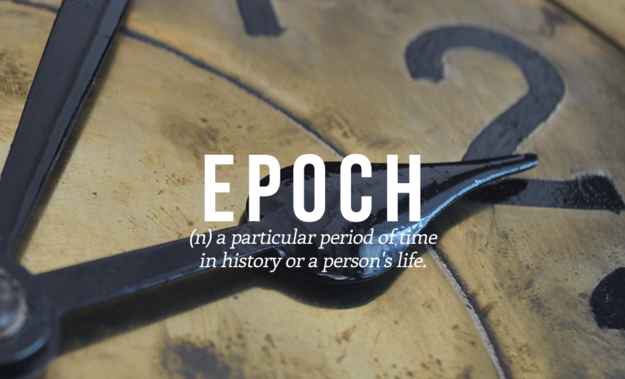
A new epoch in my life began. 

From that moment on, my whole world was different. The ambulances came. It was too late. The neighbors stared. The pretty little girl down the street with the shiny brown hair  pitied the weird fatherless redhead.

There was a funeral. My mother cried. My brother had to wear that suit he hated. I was the little girl in the black dress who had killed her father.

Sooner or later everyone realized, of course. They knew I had picked out that branch myself. They knew who was to blame. Murderers do not get sent to jail when they are only four years old, but no one wants them in Kindergarten either. 

No Dad meant no job. We were penniless. We had to move out of our house, in with my grandparents. They never forgave me for killing their son. 

My mother still loved me, of course. She still tucked me in a night. Nothing could change that. But she was tired now. She had to work all day. There were no more thin pancakes for breakfast. No one to listen to my stories.

My brother understood. The tire swing had been partly his idea. He bore some of the blame. But he had to be the man in the family now.  He aged before his time. He never rode  the Wonder horse again. We had to sell it anyway. My grandmother hated the squeaky springs.

No thin pancakes. No Wonder horse. No Dad to make up stories or sing silly songs he claimed were from his childhood. 

I wasn’t me anymore. I was some half-orphan murderer I didn’t even recognize.

—–

I screamed.

I ran into the kitchen, where my mother stood washing dishes, still unaware that she was a widow. I pulled her hand, dripping water and suds everywhere.

She sprinted behind me to the garage, beginning to realize the severity of what had happened.

My dad was sitting up, shaking his head. Got the breath knocked out me, he said. That branch was too thin, my mom pointed out. I think you gave the kids quite a scare.

Her hand was on my shoulder. My dad was standing up now. I barely noticed either of them, too busy unliving the life I had just passed through. 

There has never been any period of time in my life when I was fatherless.

As far as anyone knows.

Summer Gold

  
School is wrapping up. Field trips are popping up everywhere. Little League is into the playoffs stage. End of season parties are in the books. We’ve navigated May and are plunging into June. 

Right on schedule my head feels like it’s going to explode.

But don’t worry! May always brings me to the full-adrenalin verge of deliriously happy exhaustion. In a couple of weeks we’ll stop setting the alarm, stop having games every night, and just stop. And maybe breathe. And enjoy a few weeks of hot and outdoor and always-together summer fun before happily starting it all over again. 

That’s the turning of the year. I love it.

So! For those of you already facing the long days of summer (and for those of us who can feel it coming),  a few warm and glowing things for your brain.

  • Summer gatherings are coming up. How each personality type parties. I’m an ENTP and my husband is an INFJ. This is spot on for us and made me chuckle for a week.
  • I am so going to do this project this summer. I think my kids will love it, too.
  • This also looks easy and fun.
  • This is a concept I’ve been thinking a lot about lately. The small, happy life. Not much to this article, but it’s enough to start us thinking. Let’s meet back here and discuss more thoughts later.
  • And on a much less serious note, let’s know what to do if we see any bears in the wild this summer. You can’t be too prepared. (Warning: not a kid friendly link. Lots of swears but enough laughs that you’ll feel forgiving.)
  • Speaking of wildlife, remember when we speculated on what to do if zoo animals showed up in our yard? Now we know.
  • And finally, a song to make you happy this summer. The boy and I could not stop singing it after we heard it the other day.  And why should we? Sing it all away, my darlings.

Happy Summer, everyone! 

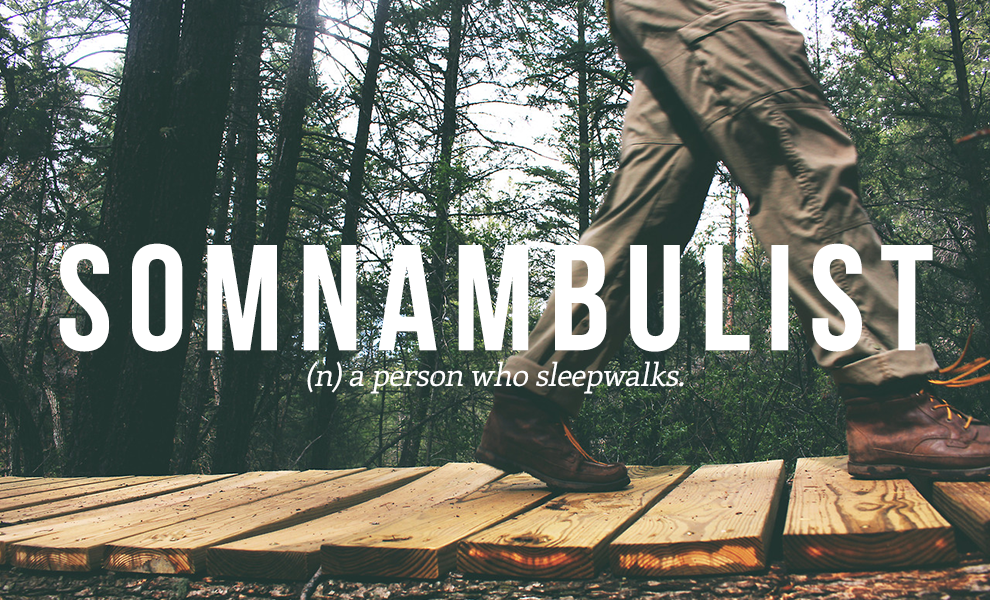
Somnambulist

somnambulist

I’m up, I’m up! Don’t pester me.
I put my leg into my sleeve!
My hat is firmly on my knee!
I’m dressed and ready, can’t you see?

Of course I’m set to catch the bus!
I packed my breakfast, ate my lunch
Plate’s in my backpack, as we discussed.
My phone’s in the sink, so why the fuss?

I’m on my way, no time to lose
I can go out the back door if I choose!
I did NOT just trip. That is NOT a bruise!
What do you mean I’m not wearing shoes?

Okay, so maybe I’m slightly tired
The plot of that book was so inspired!
Yes, I slept. Eight hours aren’t required!
It was only 5 am when I retired!

So I’m just fine and I’m off to school!
Combing hair isn’t an absolute rule!
Yes, unmatched socks are extremely cool!
You’ll admit that I’m right. You will see. You’ll…

Zzzzzzzzzzzzzzz

A Better Kind of Princess

Obviously, the best kind of princess is the gun-toting, plain-speaking Princess Leia kind of princess, with her hair tucked out of her way in buns that are practical and eye-catching. If she turns out to have Jedi powers, so much the better. 

This isn’t quite that, but it’s a step in the right direction.

  
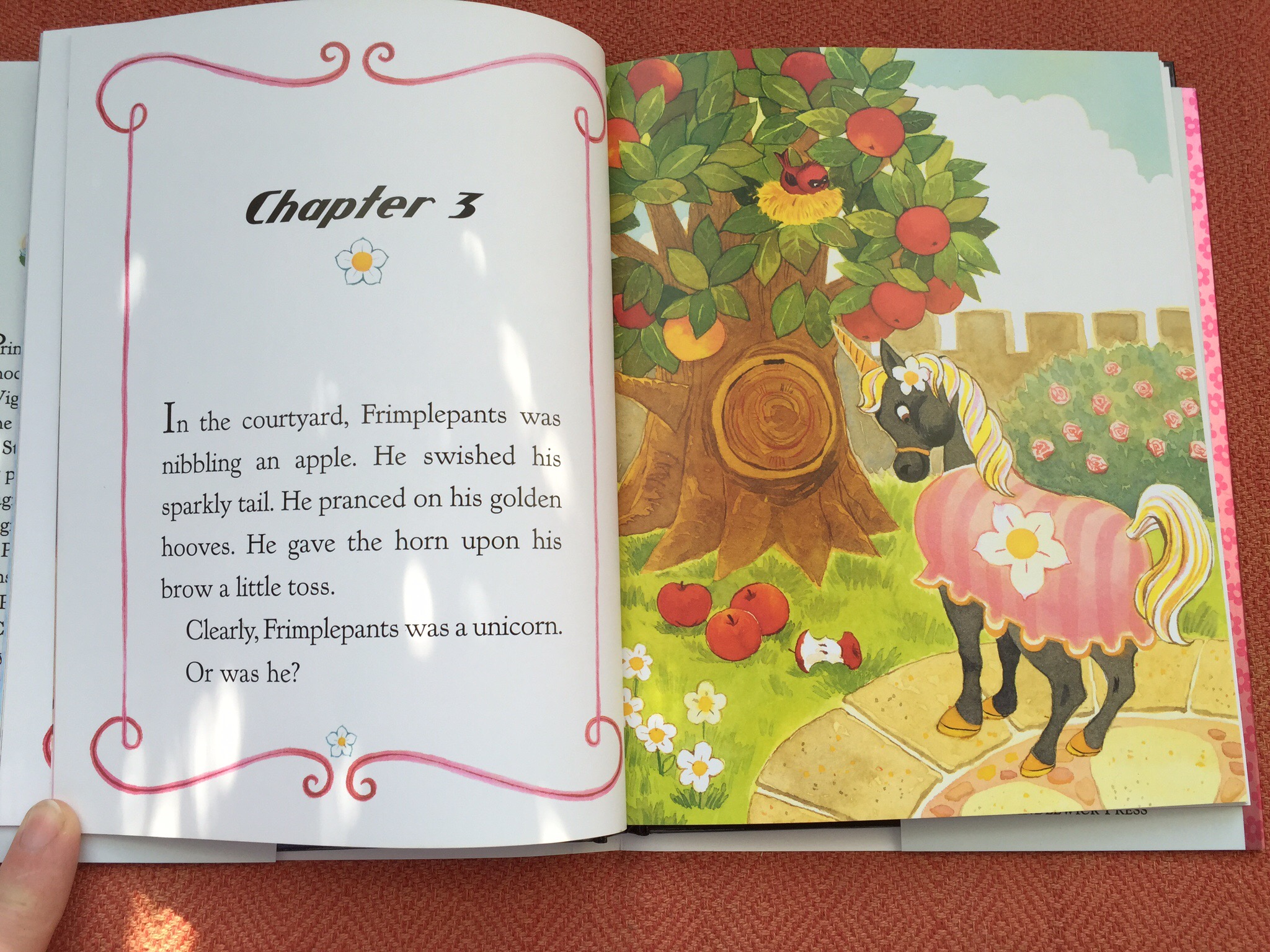
The Princess in Black (by Shannon Hale and Dean Hale) falls short of its amazing potential, but it at least pokes a bit of fun at the foofy pink princess and gives her a rather more exciting purpose than pouring tea, and for my six-year-old, who isn’t quite ready to take on Ghanima of Dune, a monster-whipping royal with daring fashion choices is a good first step. Plus it’s at the perfect level for her emerging reading skills, and the illustrations by LeUyen Pham are cute as a button. 

I’ll take it. 

And if I wasn’t quite sold on the overemphasis on black as an inappropriate color for princesses or the oddly dense goat herder, It was all made up for when they named the unicorn Frimplepants.

  
A fun and simple chapter book AND a new nickname for my daughter? Yes, please.