Kid Interview: Bedtime Stories

This is National Young Readers Week.  Who knew?  A bunch of librarians and a few teachers, that’s who.  Also me, because I live in a bubble world where I have time to pay attention to such things and then let you know about them.  I do it for you, people.

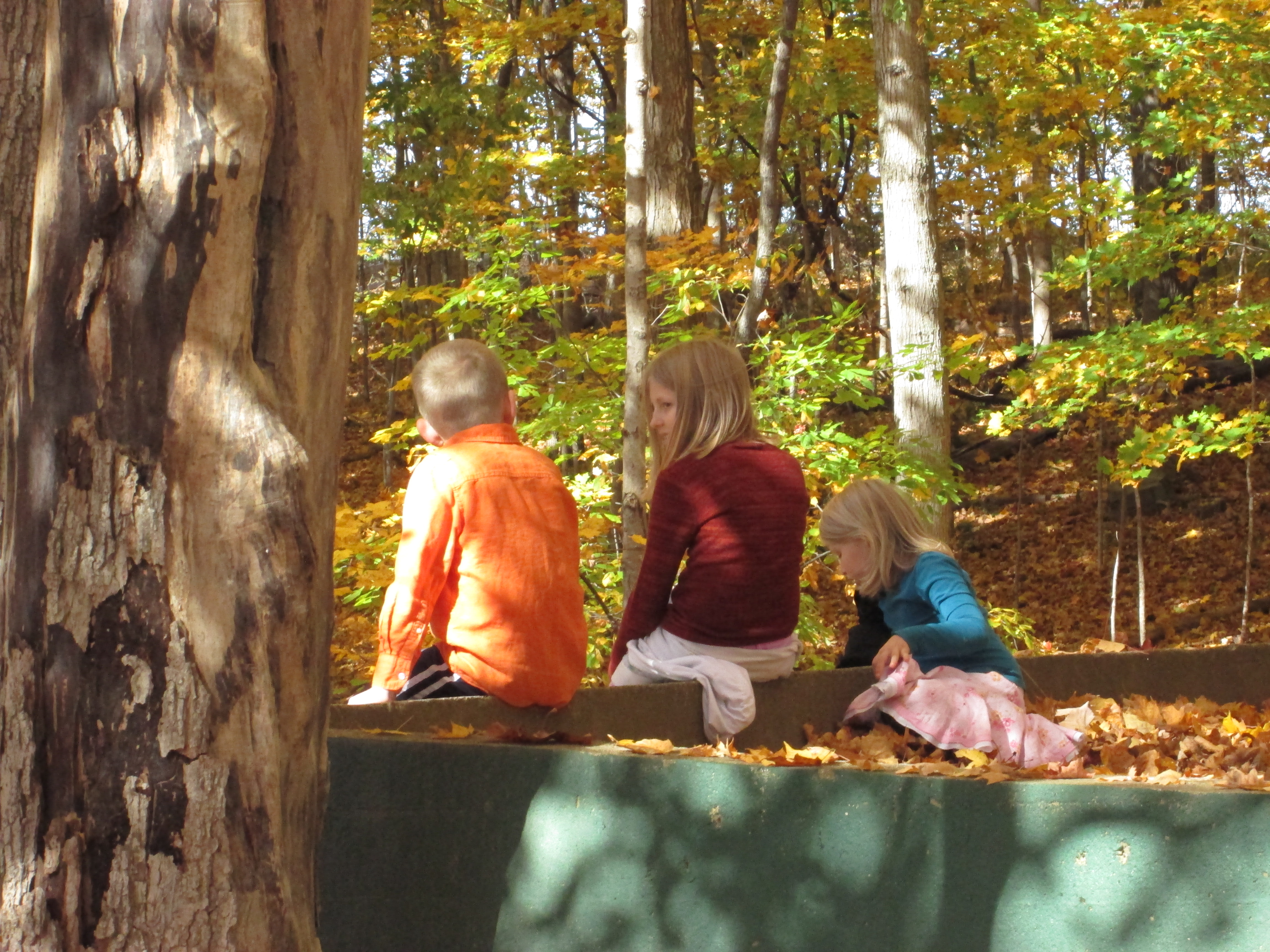
I could talk on and on about reading to young children, but I think all the grownups have already said quite a lot on the topic.  We all know that we’re supposed to read our kids books before bed, and we’ve all heard what that can do for their reading development.  Instead, I decided to ask my kids a few questions about bedtime stories.  I also asked my daughter’s best friend (a serious reader) for her thoughts, since she was with us at the time.

Their thoughts first.  Then mine (because of course I’m not going to say actually nothing).

Where is your favorite place to read?

Lucy (5): In my end of the day spot at school

Scott: (8): In my room, on my bed

Ellie (10): Under a willow tree or in the library [Note: I was unaware that she had much experience reading under willow trees, but I will allow that it’s a lovely idea.]

Ellie’s friend (10): In my bed

Would you rather read to yourself at bedtime or be read to?

Lucy (5): At home, I like to have someone read to me. [Note: this is fairly obvious, since she can’t read yet.]

Scott, Ellie, Friend: Read to myself [Note: the “duh” was implied in all three cases.]

If someone is going to give you a bedtime story, would you rather they read you a book or tell you a story out of their head.  Why?

Lucy (5):  Scary story out of somebody’s head

Scott (8): Out of their head because that way I can’t look at the book at what they are about to read.  I can’t see what’s in their head.

Ellie (10): Told a story they made up

Friend (10): Told a story out of their head

What do you think makes the best kind of bedtime story?

Lu (5): Scary princess stories

Scott (8): Adventurous and funny just because I like those better all the time

Ellie (10): A funny story.  I feel like at nighttime, I need something to make me laugh.

Friend (10): Funny or happy.  If it was scary, I wouldn’t be able to sleep.

Can you remember your favorite book that people read to you when you were little?  What was it?

Lu (5) Right now, Pete the Cat.  When I was little, I don’t remember.

Scott (8): [thinks a very long time] I don’t remember.

Ellie (10): I don’t remember

Friend (10): These Sesame Street books.  I don’t remember what they were called or the details.

In a picture book for kids, which is more important: the written story or the illustrations?  Which needs to be really good to make it a great book?

Lucy (5): The words because you know in like scary stories, you can still tell what’s happening from pictures but you don’t know for sure what the author meant without the words

Scott (8): The written story. The point isn’t really the pictures.

Ellie (10): The writing because that is more interesting than the pictures.

Friend (10): The story

Don’t know about you, but I found bits of that quite interesting , and I do mean other than the fact that my 5-year-old is obsessed with scary stories.

First, I apologize to artists everywhere.  I’m pretty sure their answer to that last question represents a bias I have handed down to them.  I won’t claim that their answers are representative of all kids.  (I will admit that Scott saying the point is the story and not the pictures was extremely satisfying, though.)

The most interesting piece of all of this  was how they all emphatically preferred a made-up bedtime story to a story out of a book.  I’d love to explore that one further with them and in other research.  In fact, I think I will.  But it does speak powerfully for the art of storytelling.  Books are great, but I suspect that what kids love is the personal connection of a story that comes from inside you.  It’s more spontaneous.  It’s more unpredictable (as per Scott’s reasoning).  It’s more about the relationship than even the fun of the story.  Storytelling is awesome.

Also, for those of you with little kids, take note of the fact that my big kids now greatly prefer reading to themselves and don’t even have clear memories of those picture books they once made me read over and over.  That does NOT mean that those times were wasted.  In fact, I think it’s the opposite.  The reason they love reading to themselves now (rather than struggling with reading and therefore still wanting to be read to) is largely because of all that time we read to them.  And the fact that they don’t still cling fondly to those picture books is because they’ve been pushed out of their minds by the chapter books they now consume so happily.  What this perspective does bring, though, is freedom.  The act of reading together is what mattered, not what we read.  So, parents of toddlers, you can dump the books that drive you crazy!  It’s quite all right.

This whole book thing is like the rest of parenthood.  Hours and hours I put into reading the same old inane picture books.  And now?  I can still quote every word of Hippos Go Beserk (which to be clear, was one of the good ones), and they don’t even remember that we used to read it.  But they DO still love to read and they DO still love to sit on my lap.  Not at the same time anymore (which frankly is good, because now they have all these long limbs that get in the way), but those hours paid off.

It’s not about what they remember.  It’s about who they’ve become.

They’ve become people who want to sit and read under willow trees, at least in their imaginations.  They’ve become people who want to snuggle into bed and listen to a scary princess story before sleep.  These are people I’m really glad to know.

(Though now I’m going to have to work on my scary princess stories.  It’s a very specific genre.  Ideas?)
 

Narrative Intelligence: Why Your Kid is Smarter Than Your Phone

So I had this idea when I was mopping the floor a few weeks ago.  (All my best ideas come when I’m mopping the floor.)  I was thinking about my kids and how stories have always just been such a natural part of their lives and how now their brains just sort of have this automatic “story mode,” which I love.  Then I thought, why isn’t some kind of story intelligence included in Gardner’s Multiple Intelligences? (If you aren’t a teacher and therefore don’t know about MI, click through and read about them here.  Very interesting stuff.)  So I “invented” a new intelligence.

I called it “Narrative Intelligence.”  It’s not the same as linguistic intelligence because, though you can use words to tell stories, that’s only one way.  Narrative intelligence, as I conceived it, would be the ability to think in terms of stories, to understand the flow of narrative, and communicate it to others.  That communication can take lots of forms.  Telling a story in words, in pictures, in film, in acting (with or without words), in music (with or without words) touches on several of the other intelligences (linguistic, visual/spatial, bodily-kinesthetic, musical, even interpersonal and intrapersonal if you are getting into content), but it doesn’t encompass any of them.  It’s a separate kind of intelligence.  Narrative Intelligence.

Then, like any self-respecting inventor or new ideas, I googled  it.  Yeah, narrative intelligence is already a thing.  Of course it is.

Narrative intelligence is an important part of human cognition, especially in sensemaking and communicating with people. Humans draw on a lifetime of relevant experiences to explain stories, to tell stories, and to help choose the most appropriate actions in real-life settings.

This is exactly the sort of thing I was seeing in my kids!  And yeah, I didn’t think of it first, but still, how cool is that?  The idea that you are building a narrative of life experiences and processing it in such a way as to make appropriate decisions.  I’ve talked before about how the narrative we tell ourselves affects our lives.  In my mind, the idea is that by immersing ourselves in the right kind of stories and experiences we could build up our narrative intelligence, could refine the way we organize our experiences into a storyline that would drive us forward to be better people.

I may have mentioned before that I love grandiose claims.   Stay with me anyway, though, because this is where it gets interesting (to me, at least).

You know who mostly is interested in the idea of Narrative Intelligence?  Programmers.  Why?  Because in order for an artificial intelligence (e.g. a computer program) to really function, it needs to replicate or at least imitate the narrative intelligence of a human, and this is VERY, VERY difficult.  I read a bunch of impossibly complicated academic papers about this because I’m just that nerdy.  (This one was the most helpful.)  I’m going to break this down as I understand it, and hopefully it will make sense:

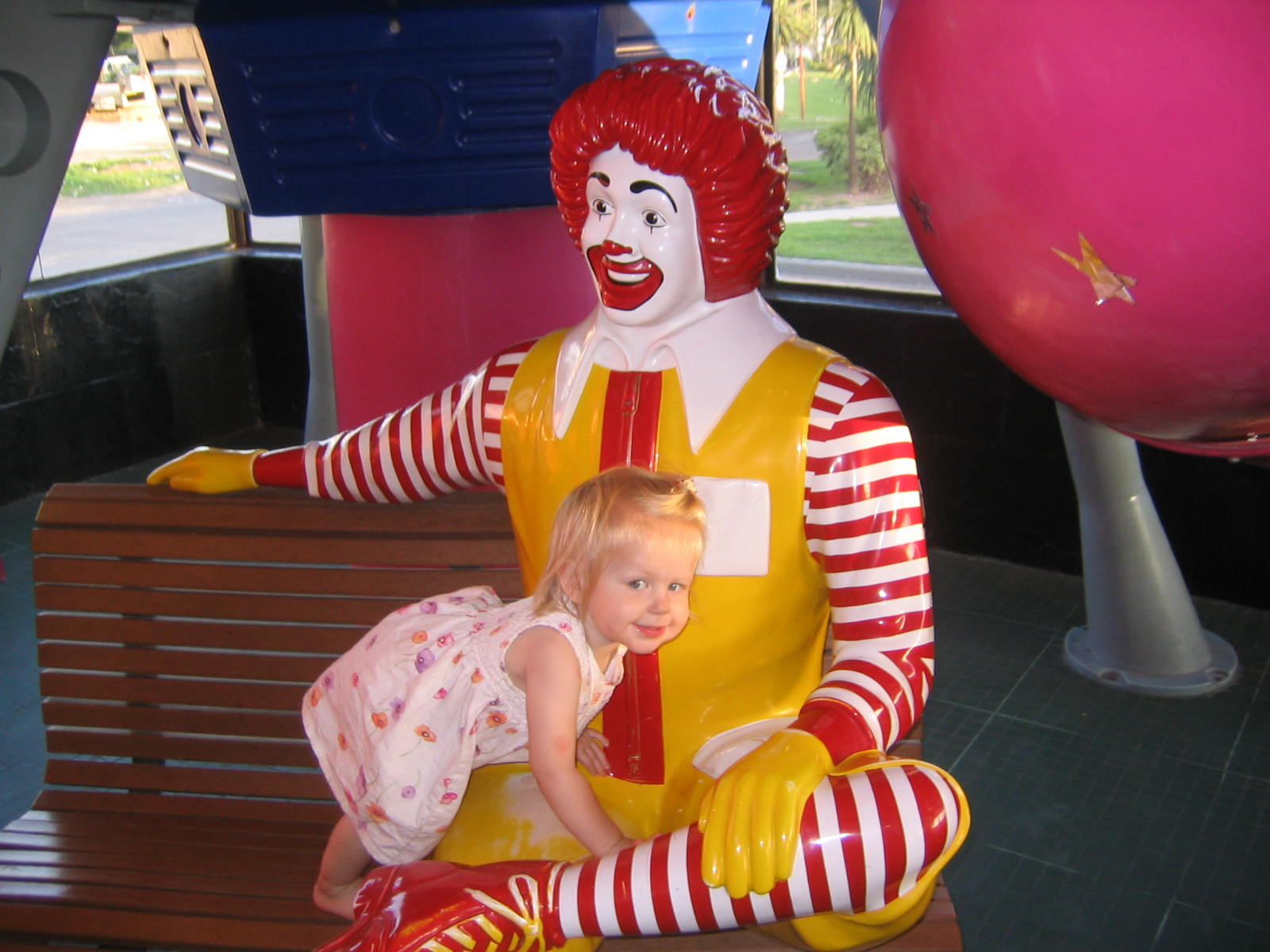
1. Humans tell stories and understand stories based on a whole lifetime of experiences.  These experiences and the stories they form also help them act appropriately.  (That’s our definition of narrative intelligence.) For example, every time a kid is taken to a McDonalds, his parents go first to the counter to order, then wait until food is put on the counter, then take it to a seat and eat.  Therefore, the child a) could tell a story that takes place in a McDonalds and have it make perfect sense, b) could understand a story about someone messing up that procedure and know why it was funny, and c) could appropriately order his own food when he goes to a McDonalds as an adult.

136_3681

2. A computer doesn’t have those life experiences.  Each and every one has to be entered into it by a programmer.  This is why a program that wants to present a realistic and adaptive narrative in a real-world situation is so expensive to make.  Because it takes a ridiculous amount of information to form a single narrative.  For example, a story about getting food at McDonalds needs information about the ordering procedure, but also about the behaviors of people waiting in line, which people do the ordering, what variations of the ordering procedure are acceptable and what variations are ridiculous, exactly how you pay and all the possibilities thereof, and on and on.  All so you can tell how you ordered a hamburger.  And what if it was from Burger King?  Does that change anything?

3.  Really smart people are working hard to come up with solutions to this problem.  These solutions are all over my head.

Do you find that all as fascinating as I do?  Okay, maybe you don’t.  I congratulate you for reading this far anyway.  Here’s what I take away from it all:

Our ability to tell and understand stories is what makes us better than computers. 

I mean, sure, my phone can quickly find out what phase of the moon we’re in when I’m not even sure what the phases of the moon are, can multiply 465 x 393 in seconds when I’d need ten minutes, and can remember all the phone numbers when I can’t even remember mine, but it couldn’t explain why it’s ridiculous for a man to sit in a McDonalds waiting for someone to bring him food he never ordered.

But I can.  My kids can, too.  And they could also make up three different funny back stories for why the man would be doing that.

That’s narrative intelligence, people.  And if computer programmers can spend hours and hours trying to build it into an artificial intelligence, just imagine what we can do to grow a brain that already has it. Not like a science experiment.  Like LIFE.  New people.  New places.  New experiences.  New stories.

What are we waiting for?


Some Monday Morning Treasure

I keep hoarding things I want to show you all, and since none of them are quite worth a whole post, I thought I’d pile them up like treasure for you here.  It’s like I’m your own personal dragon.

So come on, it’s Monday.  Slack off for a few minutes and click around.  I promise it will be fun.  Like a little adventure from your desk, there and back again, as it were.  It’s like I’m your own personal wizard.

(Can you tell I was reading The Lord of the Rings this weekend?  Out loud to my kids outside on a beautiful fall day while they carved pumpkins.  This was, incidentally, how LOTR was meant to be read.)

IMG_0545
My hobbits taking a rest from their adventures and waiting for elevensies. And now I promise I’m done with the LOTR references.

  • Speaking of dragons (sorry! not really done with the references!), have you seen this?  How awesome is that guy?  I can’t decide if I like his artwork or his beard better.
  • Take the time this week to read Mark Twain’s “How to Tell a Story.”  Not only will it make you laugh, you’ll get a great ghost story to use on your kids on Friday.  (I don’t recommend using the accent.  Twain was a man of his time.)
  • Icelanders haven’t totally given up their belief in fairies.  I absolutely loved this article, most of all because there was no hint of mocking.  We should all leave a little more room for the magical and mysterious.
  • The 22 rules of storytelling, as tweeted by Emma Coats, Pixar storyboard artist.  These are pretty great.  I particularly loved #4, #7, and #13.
  • Dooce shares a storytelling game you can play in the car.  I am totally stealing this one.
  • This website is seriously cool.  It lets you create your own comic book using predesigned features.  I’m either going to show it to my kids and let them go crazy or lose several hours making my own.  We’ll see how the week goes.
  • As proof that inspiration can come from anywhere, I want to write a story based on each and every one of these amazingly wonderful lamps.  There would be some seriously creepy stories in that collection.

Enough treasure for one week.  You have costumes to finish and candy to buy.

And don’t forget to try out a ghost story or two on the kids.  Mark Twain is my witness, it’s an American tradition.  We all have to do our part.


Ask the Kids: What Makes a Great Story

It’s week two of fall break, and yes, now I remember what it’s like to have all three kids around all the time.  It’s basically impossible to write with everyone in and out and bored and playing and loud and…louder.  So.  Since I can’t write as much as usual, I figured I should take advantage of their being around to ask them some questions.  As you know, I’m working on listening more these days, so this is my chance to find out what they like in a story.

IMG_5613

What kind of stories do you like best?

Lucy (5) – Stories about princesses and I like stories about pets and I like stories about witches, stories about castles, stories about horses.

Scott (8) – Mysteries and tragedy

Ellie (10) – Adventures that explore fairy tales

Which do you like better, a happy ending or a sad ending?

Lucy (5) – Sad endings. Because I usually like the sad endings when they have…like,that it’s having a scary story. I like those scary stories.

Scott (8) – In a series, a happy ending to the series but sad endings to the books.

Ellie (10) – Depends on the story. Like when somebody loses somebody, when somebody dies, I like that. I don’t like other sad endings, like the good guys lose.

When you are making up your own stories, where do you get the ideas from?

Lucy (5) – I see pictures and get the ideas.

Scott (8) – Other stories and things I’ve experienced myself.

Ellie (10) – Other books and things that happen in my life. Mostly from books really.

Who is your favorite story character and why?

Lucy (5) – Hermione.  I don’t know why.

Scott (8) – Jaques Snicket, because he carries the most mysteries.

Ellie (10) – Sabrina from The Sisters Grimm, because she’s like me.  A lot like me.

Pretty interesting stuff.  I mean, a lot of it I knew.  It’s not a big surprise that my five-year-old likes stories about princesses or that my big kids love characters from their favorite books.  I knew Scott was into  mysteries and Ellie prefers fantasy adventure.  The part that really got my attention was the happy ending/sad ending bit.  Did you catch that?

They all love a sad ending.

Not a depressing ending.  Not a bad ending.  But they like the sad in there.  They want to be scared.  They want some grieving.  I think maybe the sticky sappy happy world of so many modern children’s stories (books or movies) is actually really unappealing to them.  Good to know.  Good because it helps me as a writer of stories for kids and good because as a mom it makes me pretty happy that my kids prefer a little grit to their fairy tales.

I also loved the totally opposite reasons that Scott and Ellie chose their favorite characters.  Ellie loved that she could see herself in Sabrina.  She wants to relate, to be in the story.  Scott chose the character that was the most mysterious, the one he knew so little about, the one with all the tantalizing clues that made him want to know more.  He wants to solve a puzzle, and the person who offers him the most challenge interests him the most.

Just goes to show you that we’re all looking for different things when we turn to stories. To learn. To escape.  To be challenged.  To be dazzled.  To feel something.  To not have to feel anything.

Not every reader is looking for the same thing.  Not every listener is hoping for the same experience.  I think that gives us a lot of freedom as storytellers.  I can tell the story I have inside me.  If it has the ring of truth (remember they didn’t want anything too scrubbed up and happy), it doesn’t matter if it’s cerebral or earthy, funny or scary, whimsical or realistic.  It will find an audience somewhere.  It won’t be for everyone.  (Better let go of that dream now.) But it will be for someone.

So what do your kids like?  Have you asked them?  Maybe they’ll surprise you.  Or okay, maybe they’ll just grunt.  That happens, too.  (If it helps, I bribed mine with banana bread to give me some answers.)  And maybe, just maybe, knowing what lights them up will give you a new way to connect with them.  Because maybe you like sad endings, too, or maybe you know about a mysterious figure that will capture their imagination, or maybe stories from your past will show you as a character who is very like themselves, a person they can relate to.

Ask.  You never can tell what they’ll say.

I know I’m already making my next list of questions.


Reliving Mush Mommy

We had a really busy weekend, full of wonderful people and good times and amazing food.  I’m exhausted.  It’s Monday morning and it’s raining and my house is full of children because FALL BREAK!  And man, did we ever need fall break, and this is going to be a great couple of weeks, but none of that changes the fact that this morning my eye is twitching and no amount of caffeine has yet been enough to convince me to be productive in any way.

Instead, I find myself wondering what would happen if I just…didn’t.  What if I just got back in bed and went to sleep and let the kids roam free for the day?  What do you think? Odds on their survival?  I’m sure they would find food for themselves and all still be alive at the end of the day.  I mean, I’m mostly sure.  I’m definitely sure that it would be an interesting story.  Technically, if something I did produced an interesting story, then that would be me being productive, right?

My justification knows no bounds.

In any case, this morning has been reminding me of the many (MANY) mornings that I felt like this when my kids were toddlers.  Back in those days, my brain more or less always had this mushy quality.  Those were the days when I always went to bed with dishes in the sink because there was no strength left after dinner and bedtime to even look at them.  Those were the days when I invented rocket ship games that let me sit on my bed while the kids went on “missions” because I had to nurse the baby and also because if I walked around the house I would trip on toys and be too tired to bend over and pick them up.  Those were the days when I forgot what it felt like to feel rested and productive and intelligent and clean.

It was one of those despairing days that I turned that fuzzy-headed feeling into a story of its own.  Somehow, that story became my kids’ favorite, and I told it over and  over to them for weeks.  It is a monument to the fact that you can turn absolutely anything into a story if you’re desperate interesting enough.

This morning, in an attempt to encourage all you moms of littles as I relive that hazy feeling for a day, I bring you MUSH MOMMY.

Once upon a time there was a mommy who loved to tell stories to her children, Molly, Matt, and Maggie.  Every morning when they woke up, the children would say, “Please may we have a story?”  Then their mommy would tell them a story while they ate their breakfast.  She would tell them stories while they were doing their work, tell them stories while they were walking to school, and tell them a brand new story each night as she tucked them into bed.  The last thing they would hear before falling asleep was, “And they lived happily ever after.”

That falling asleep was where all the trouble began.  It started with Molly, who was eight.  Molly decided she was too old to go to bed at the same time as her baby brother and sister.  So she asked for extra stories, and when that didn’t work, she asked for a drink of water, and when that didn’t work, she asked for some toys to play with in bed, and when that didn’t work, she cried.  With all this asking and crying, it was much later than normal when Mommy was finally able to get Molly to sleep.  Then is was Maggie’s turn.  Maggie had fallen asleep with no trouble at all, like the sweet little baby that she was.  But just when everyone else had begun to dream their happiest dreams, Baby Maggie woke up.  And she cried.  And she cried, and cried, and cried.  It was a very long time before Mommy could get her to go back to dreamland.  By that time, Mommy was very, very tired, and she sighed happily as she crawled back into bed.  Just then, Matt woke up.  He didn’t mean to stay awake.  He just missed his Mommy.  So he got up and went to her bed and curled up against her.  He was a very sweet and snuggly boy…all except for his elbow.  His elbow was very sharp and pokey, and it was determined to have as much space as it needed to stick out.  Mostly the place where it decided to stick was in the Mommy’s back.  After a while of being poked by elbow, Mommy got up and carried sleeping Matt back to his own bed.  Then, just as she settled back into her pillows with a smile….it was morning, and Molly and Matt and Maggie were waking up and asking for a story with their breakfast.

The first morning after a  night like that, Mommy felt like her head was a little mushy, but she shook herself and drank some coffee and made up a new story.  The second morning, Mommy knew her head was quite mushy, so she shook herself and drank some coffee, but she still couldn’t think of a new story, so she told everyone Molly’s favorite fairy tale.  The third morning, Mommy’s head was nothing but mush.  She drank her coffee, but it just seeped right out of her mushy head.  She tried to remember Matt’s favorite story, but her mushy head could not do it.   Matt had to tell the story himself.  The fourth morning, not only was Mommy’s head mushy, now her arms and hands had turned to mush, too.  Molly had to make breakfast for everyone, and she tried to think of a story, but Maggie cried because her breakfast was too hot and Matt complained that Molly’s story wasn’t exciting enough.  The fifth morning came, and now Mommy had turned entirely to mush.  She tried to get out of bed, but her mushy legs couldn’t stand up.  Molly, Matt, and Maggie didn’t know what to do.  They tried to make her sit up, but she was too mushy.  The tried to roll her out of the bed, but she just glooped right over the edge and landed in a pile of mush on the floor.  Molly called the doctor, who rushed right over.

“Yes,” said the doctor, “this is the worst case of Mommy Mush I’ve ever seen.  It’s a good thing you called me when you did.  Tell me, now, has she been getting any sleep at night?”

Molly, Matt, and Maggie just looked at the floor.

“That’s what I thought,” said the doctor.  “Well, fortunately, Mommy Mush is curable, but it’s going to take  some very fast music and then A LOT of sleep. “

So Molly went on put on their very loudest dance music, and they all watched anxiously as Mush Mommy slowly turned back into their real Mommy.  Only when she was able to smile a very, very weak smile did the doctor lift her off the floor and back into her bed.  Then he turned off the light, and they all tiptoed out of the room and let her sleep.

It was a very long day for those children without any Mommy to tell them stories, but Matt and Molly tried to take turns telling all the stories they could remember.  And that night when it was time to go to bed, Molly went straight to sleep without any complaining.  In the night, Maggie woke up and wanted to cry, but then she thought of Mush Mommy and grabbed her blankie and went back to sleep.  A little later Matt woke up and wanted to curl up by Mommy again, but instead he cuddled down in his blankets and dreamed of having his Mommy back to normal again.

In the morning, Mommy was all better.  She got up and made breakfast with no signs of mushy hands.  At breakfast, she told them the best story ever.   And of course, they lived happily ever after, sleeping all night long every night.

If only it could be so easy in real life, right?  Good luck, Mush Mommies everywhere.  May your coffee be strong and your children be patient (or at least easily pacified by TV).

It gets better.  (There are still days, but it gets so much better.)

Small Stories (Are All Around)

Last week we brought out the Halloween decorations.  I know I told you we already put up the fall things, but there are MORE things that are just for Halloween, and as it is now October, they get added to the mix.  (We really like holidays around here…and decorating for such.)

My younger two took on the task of hanging up all the window clings.  You know those weird gel-like things in fun holiday shapes that look really cool on the window…until they get picked apart by small children and reduced to a pile of disgusting mushy bits?  Those.  We had a bunch of pumpkins and some bats and a few funny monsters.  As their play room is all windows, I just let them go to town while I cooked dinner.  They were deep into it when I heard what they were saying.

“I think we should put all the pumpkins on this one window, because this is the pumpkin patch and they are a pumpkin family all together.”

“Yeah, and this one monster will be right here, trying to get them.”

“Okay, but he won’t get them because this monster will be in his way.”

“Right.  And I’m putting the bats over here.  This one sparkly bat it their leader.”

“And sometimes they’ll all fly over the pumpkin patch and visit the pumpkin family.”

Are you smiling as big as I was?  Probably not, because I was grinning from ear to ear.  These are my favorite parenting moments.  The spontaneous flights of fancy.  The unplanned stories.  My kids weren’t trying to sit down and make up a story about those gooey decorations.  It just happened.  They saw a group of pumpkins and a narrative popped into their head.  They probably didn’t even realize they were telling a story.  But there it was, brief and undeveloped, a lovely little nugget of an idea, and then they were on to the next thing.

This is what it’s all about.  The little stories we weave around us throughout our day.  They aren’t formal, don’t all have their beginning, middle, and end.  They aren’t fancy, with well-chosen words or a moral to tie it up.  They aren’t even all spoken aloud.  They’re just a way of looking at the world.  A way that doesn’t just see a pile of pumpkins, it sees a family.

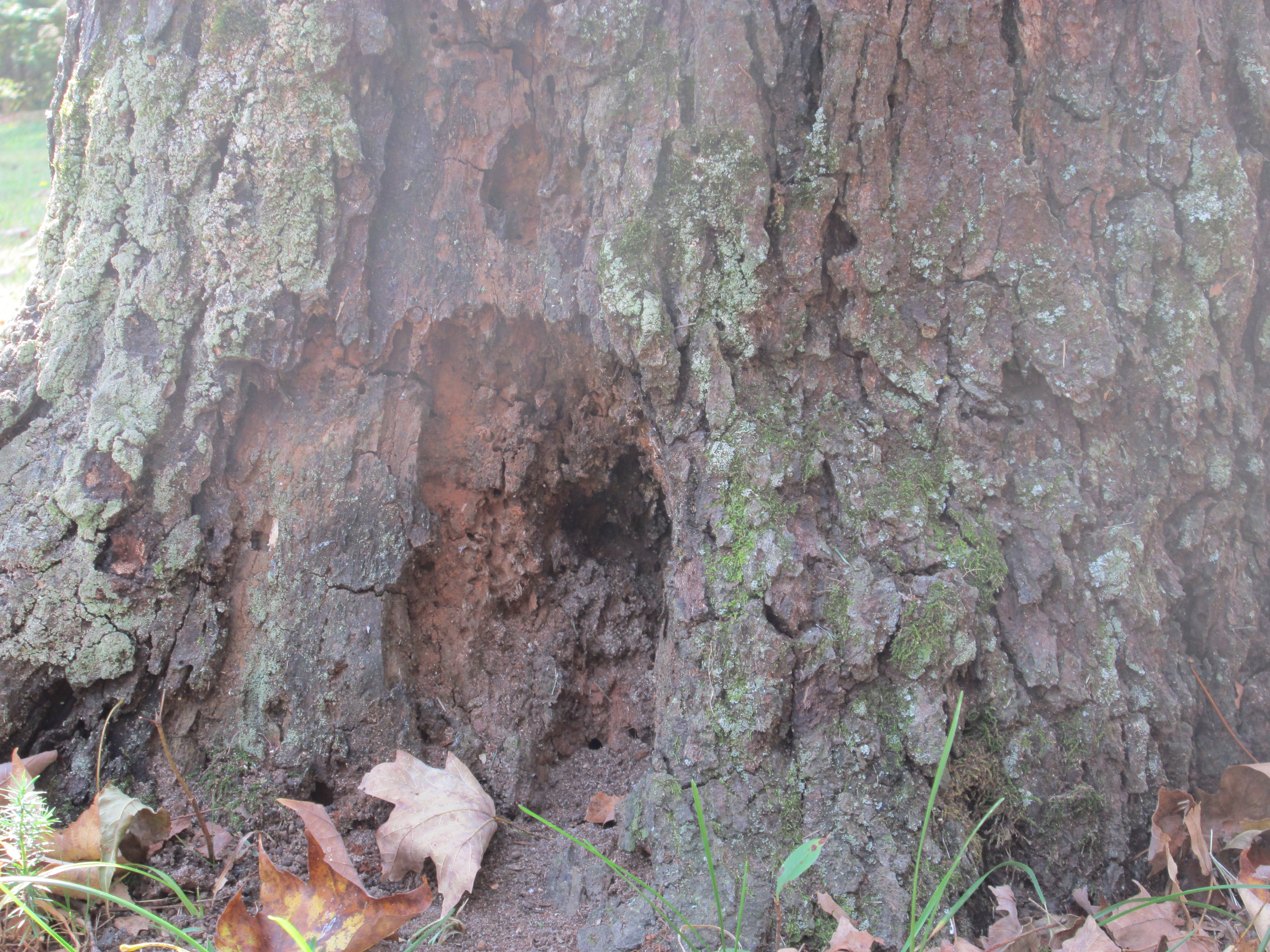
See this tree?

IMG_0471

I like to think that there’s a little field mouse out there who is ready to get married, and every night when it’s safe and dark he creeps out and gnaws a bit more, busily working on a new home for his lady love.

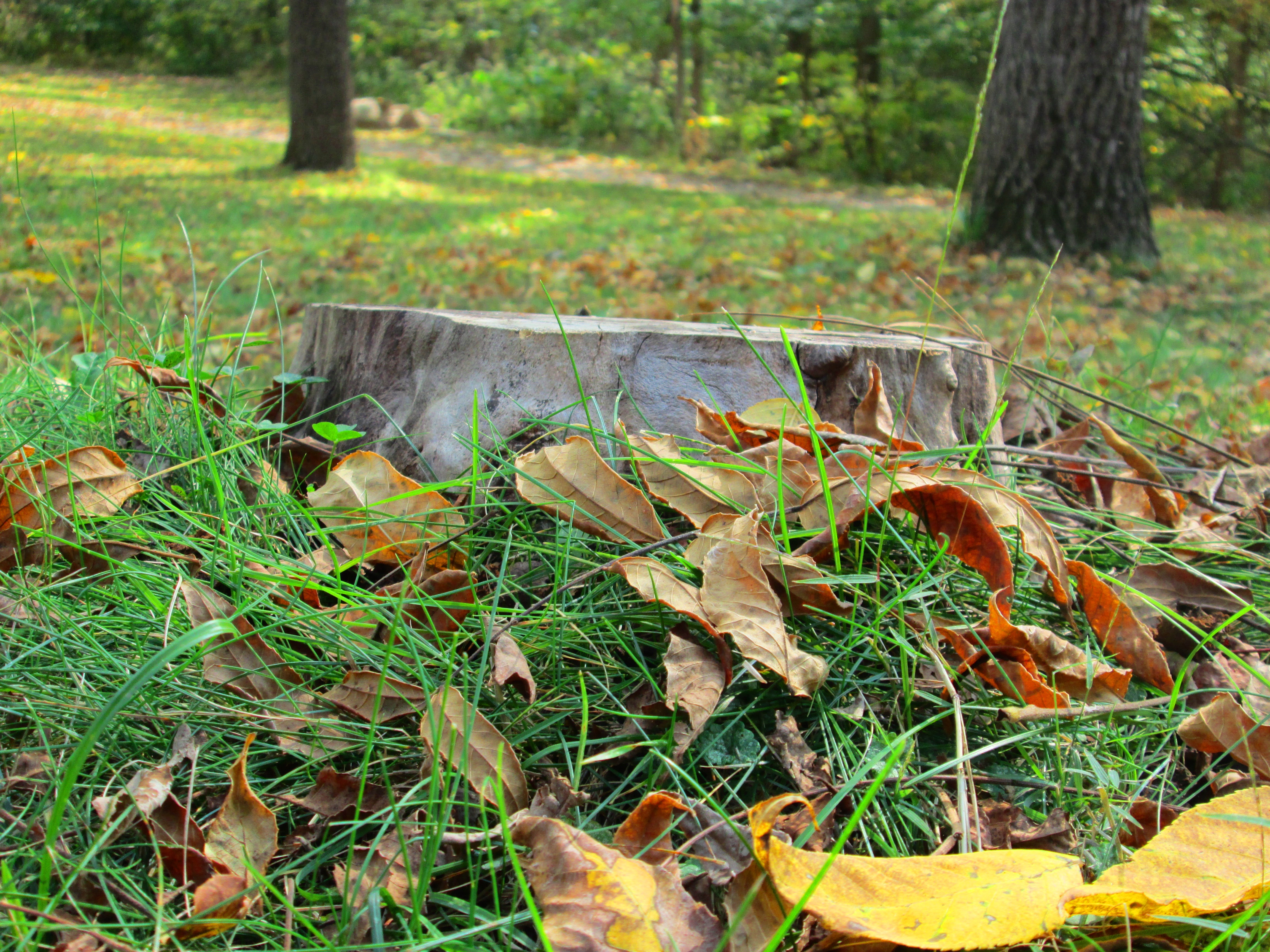
This nearby stump will probably be the dance floor for their wedding.

stump

Can’t you just see it? (Not that they would let us watch, of course.  Mouse weddings are quite exclusive.  No humans allowed.)

The imagination, like a muscle, can be developed.  We develop it by ingesting stories, by reading and watching and listening.  We develop it by pushing ourselves to tell stories, by forcing out words and pictures even when we feel ridiculous.  But even more simply we develop our imagination by taking everything we see around us and playing with it.

Why look at a forest and see only trees when you could see the perfect hideout for a gang of reformed pirates?  Why just pull weeds when you could be naming them (something truly horrible) and laughing at the fate that awaits them in the compost pile.  Why look at your dog and see only one more thing that has be fed when you can imagine instead what kinds of conversations he dreams of having with your cat?

It’s all about learning to think in stories.  To see stories everywhere you go.  What do the leaves feel as they drift down from the trees?  Who could have dug that odd hole in my garden?  What is life like for that woman in line in front of me at the grocery store?

It’s so much fun.  Once you get started, you’ll find you can’t stop.

And if you get your kids started?  Your eavesdropping is about to get a lot more interesting.

Storytelling vs. Writing (Or, Why I Talk to Myself)

Now that I’m alone a good deal of the day, I accomplish SO MUCH more than before, but I have recently realized that the whole time I’m doing it, I’m muttering things. Out loud. Crazy person style.

You guys, I talk to myself.

I’ll be honest with you, this isn’t an entirely new thing, but it’s getting really bad.  It wouldn’t be a problem if I were just trying out dialogue while sweeping the floor or calling my computer names when it freezes up, but the thing is, I also mutter in the aisles of the grocery store and while I’m pumping gas.  I have entire conversations with myself out loud in the Goodwill.  I’m pretty sure my fellow shoppers think I’m nuts.  I’ve tried to stop, but it doesn’t work.  It’s like some kind of switch has been turned on in my brain, and I can’t figure out how to switch it back.

I blame the writing.

For ten years now (!!) I’ve had a little person around me constantly, and they’ve been my audience.  I could comment on the world around us and tell stories both fact and fiction anytime one popped into my head.  Now?  Now there’s no one to listen.  Now I spend hours writing stories down, and let me tell you something, writing and storytelling are NOT the same thing.

Storytelling is an interactive art.  I say something funny, my audience laughs (or at least smiles…or groans or rolls their eyes).  I say something scary, their eyes widen a bit.  If my story has their attention, they listen closely, maybe they lean forward a little or nod their heads.  If my story is boring, they look away, start to fiddle with things, get that vague look in their eyes.

And it’s not just them reacting to me.  I react to them.  If my funny story isn’t making people laugh, I know I have to spice it up a little.  If I’m losing their attention, I throw in something exciting quickly before they’re all the way gone.  I can adapt the story to suit the listener, and I can immediately know if I’ve done a good job.

Of course, that’s what makes storytelling scary.  If your story bombs, there’s nowhere to hide.  It’s just you, right there, feeling like a bit of an idiot.  And you do bomb.  It’s inevitable.  And even if your kids are the only audience, it can make you wish you had never tried.  But when the story is a hit, there is nothing more satisfying.  Maybe it’s just because I’m an extrovert, but the feedback, the glorious feedback, is like Thanksgiving dinner for the soul.  (What? That’s a perfectly normal metaphor.)  And the personal connection, the feeling of knowing your listener and being known in a way you weren’t before, is priceless.

Writing is an expressive art.  I get to think my words through and choose the one that best represents what I’m really trying to say.  I can shape a story.  I can stop in the middle and take time to puzzle out the perfect ending.  When I make mistakes or put something down that isn’t as strong as it should be, I can go back and change it.  I am free from the judgments of others for that time, lost in my own imagination.  When I finally have a finished product, it is mine and mine alone.  No one’s thoughts or reactions influenced it along the way.  It’s all me, for better or for worse.

Then, when a reader picks up what I’ve written and digests it, she is also free to make of it what she will.  She can interpret it how she likes, and I am not there to tell her if she is right or wrong.  She can own what she has read, find herself reflected there (for better or for worse), and react to that experience accordingly.

There is something beautiful about the freedom and ownership of writing and reading.  As a writer, I can find great joy in the pure expression of my own imagination.  It’s like being a kid playing pretend again.  Then I put something out there and let it stand all alone, let the work try to be something by itself, without any further help from me, and there it is, finished and lasting.

Of course, that’s also terrifying.  Because what if it’s pitiful?  What if it’s ugly?  What if it’s weak?  I can’t defend it.  I can’t hide it.  I can’t change it.  I’m exposed.  And anyone who wants to can take that little bit of me I’ve put out there and twist it into whatever they want.  There’s nothing I can do about it.

So here I am, after a decade of near-constant storytelling, with its ever-present affirmation and insults, spending long hours in my own head, dreaming and playing and having a great time but also feeling unconnected and less sure of myself than I’ve ever been.  Here I am, determinedly putting it all into words anyway and sending them out into the world.

No wonder I’m talking to myself.  My brain is trying to provide me with my own feedback.  Not exactly helpful, brain.  So far the only thing I’m gathering from you is that you are getting a little loopy.

Shoot.  There I go again.  Must be time to go pick up the kids from school.

The Story of You

“I wemembew one time, when we wived in Awgentina, and I was weawy wittle.  I was in bed and all the wights went out, and I stawted cwying and cwying, and Mommy held me and gave me my bwankie.  And it was weawy dawk, and the big kids thought it was so fun, but I was so scawed that I thwew up all over Mommy.  And the kids laughed and laughed and said, ‘Lulu puked!  Lulu puked!'”

Oh yeah, Mommy remembers that, too.  Distinctly.  It’s not one of Mommy’s favorite memories, though it is definitely one of theirs.  It was a moment of drama washed over with the safety of two parents competently handling everything.  It was a moment of shared excitement.  It was the moment they learned what the word ‘puke’ means.  Invaluable lesson, that.

The funny thing about that particular evening (because, contrary to what my kids tell you, the puke was NOT funny) is that Lucy was only just two years old.  She doesn’t remember that.  Seriously, she doesn’t remember it.  She’s just been told about it so many times by the rest of the family that she thinks she does.  We’ve actually implanted a memory in her brain.  Now there’s something to think about.

IMG_0284
That little darling had quite the gag reflex…or so we’ve told her. 

It’s pretty universally agreed that humans are narrative beings.  We see and interpret the world around us as a story.  We just do.  Neurologists take scans of our brains and tell us that stories activate our brains in a way that nothing else can.  Leadership gurus stress the importance of narrative as a way of connecting and motivating others to change.  Psychologists run studies and find that the stories we tell about ourselves are strongly correlated to the condition of our current lives.

Think about what this means for us as parents.  Our kids, right now, every day are building the story of their lives.  We know this.  This is why we take them to sports practices and make sure they get their homework done and protect them from dangers and feed them vegetables and try hard not to yell too much and worry about their social adjustment.  We want their story to be a good one, a happy one, a safe one, a story with as little baggage to it as possible.

But the story of your life isn’t just what has happened to you, a long sum of actions and events.  Stories don’t work like that.  Stories are selective.  Stories have shape.  They have beginnings, middles, and ends.  They have arcs.  They are broken up into chapters (or episodes).  They have high points, low points, turning points.  They leave the unimportant events out altogether.

The story of your life is no different.  Where you perceive your story to have begun matters in what will happen in the middle and the end.  How you define the arc or trajectory of your story makes a world of difference in how you are defined as a person.  Some scenes are much, much more important than others.  Some are resonant with emotion that stays with you forever.  Some are pivotal in the whole direction of your life. Some fade into obscurity and are forgotten.

As parents, we not only play a big role in what actually happens to our kids, we are a crucial part of how they narrate it all.  What stories are we telling them about their past?  According to us, what role do they play in their present?  Are they a character that is growing and developing and acting or one that is tossed around by their circumstances?  Do we replay the happy memories over and over or do we dwell on the darker scenes?  How important are the other characters in their stories?

I’m not suggesting that I know the best way to tell your kids’ stories or even that there is a best way.  There are a million ways to tell a great story from the same basic facts.  I personally choose to retell the stories that show how many people are in their lives loving them and supporting them, the ones about how many people showed up at the hospital to meet them and how excited we all were, because I want them to know they are never alone.  I retell the funny stories, the ones where they make mistakes and I make mistakes as their mom, because I really want them to learn to laugh at themselves.  I tell the stories of sad times, too, the ones where we have to say good-bye and things don’t turn out as we expect, because I want them to see how even those times brought about the wonder that is now.

I don’t know what stories you should tell or how you should tell them.  I’m only suggesting that we be intentional as parents.  Our kids ARE forming a narrative in their heads about their lives.  What are we contributing to that?

One of the things I started to do a couple of years ago is to write a letter to my kids each year on their birthdays.  I post them over on our family blog.  (These days that’s just about the only time I do post over there.)  As they are getting older, they read them when I post them, but mostly, I put them there for them to have later.  This is one way I tell them how I see their story, and it’s fun even already to see how it is developing slowly over time.

Ellie at 8

Ellie at 9

Ellie at 10

Scott at 6

Scott at 7

Scott at 8

Lucy at 3

Lucy at 4

Lucy at 5

We (and only we) have been there every day since the beginning.  We remember their life from before they can.  We have a treasure trove of material to choose from.  What stories are we telling?

Storytelling Aids: Fall Felt Board

It’s September, and I’m all Fall, all the time.  This has nothing to do with weather.  It’s just tradition.  Every year when my birthday rolls around, I pull out the leafy decorations and stock up on Pumpkin Spice creamer and tea of every variety.  (I don’t even care that PUMPKIN EVERYTHING is just a trend.  I’m hipster enough to say that I made pumpkin bread before it was cool.)

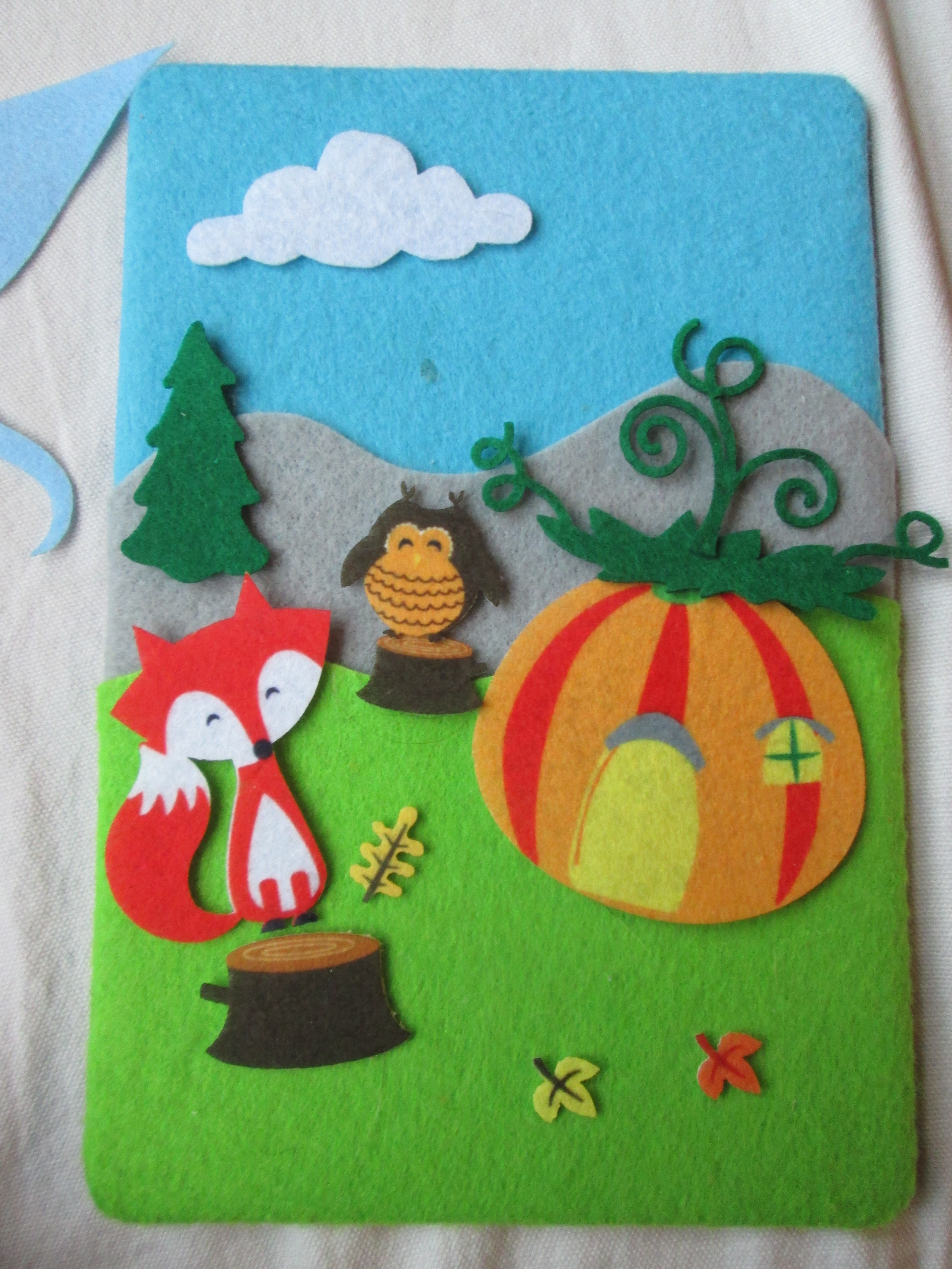
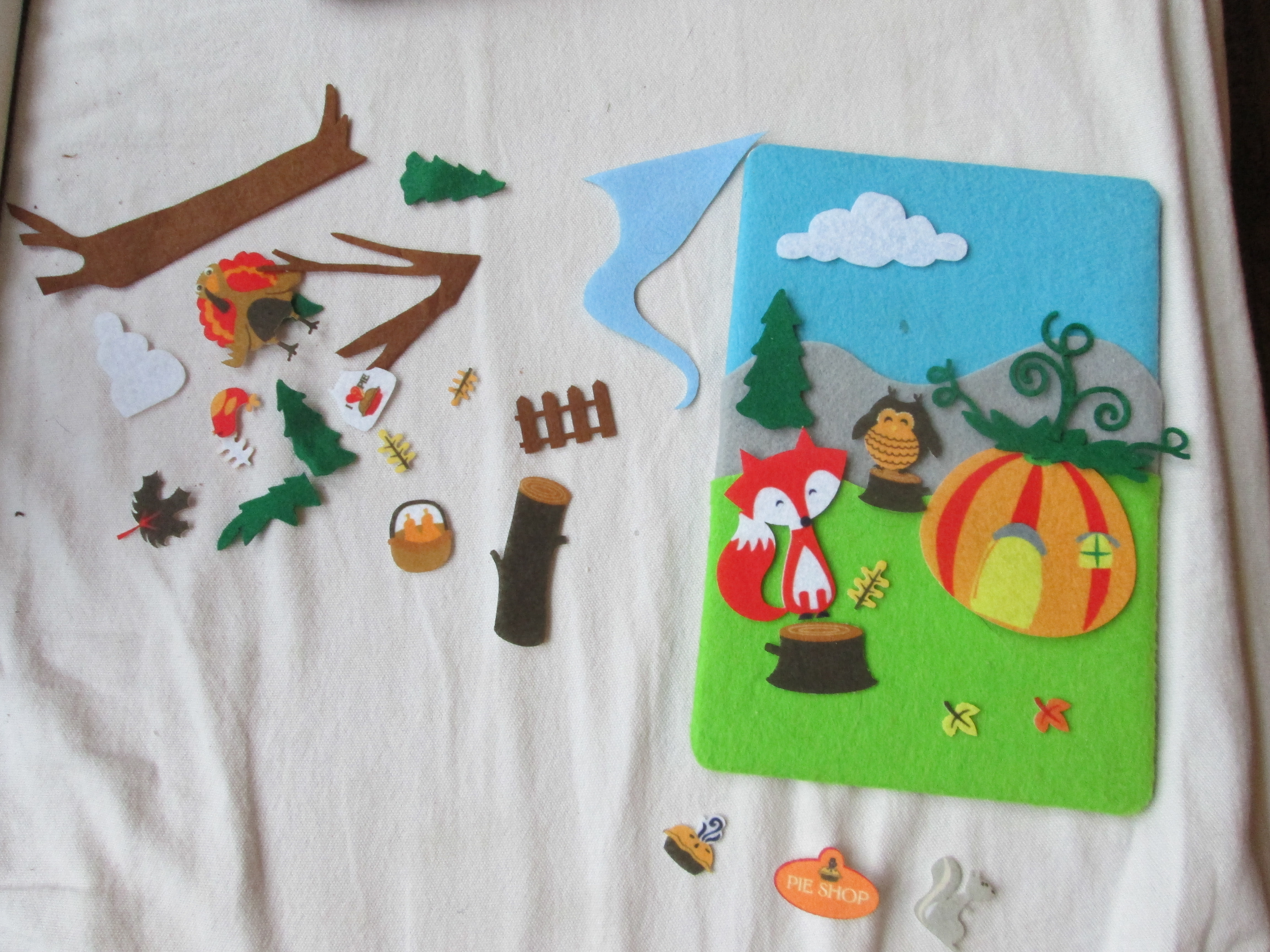
This year when we opened up the tubs of fall decorations (yes, that is tubs, plural), I was so happy to find my little fall felt board!  Oh yes, let the fun begin.

IMG_0409

Isn’t it adorable?  (And these are only a few of the felt pieces!)  I bought this little guy at Michaels last fall for somewhere around $2.  I distinctly remember my kids spending a good deal of Thanksgiving Break telling each other stories with it.  I can’t wait to hear some more.

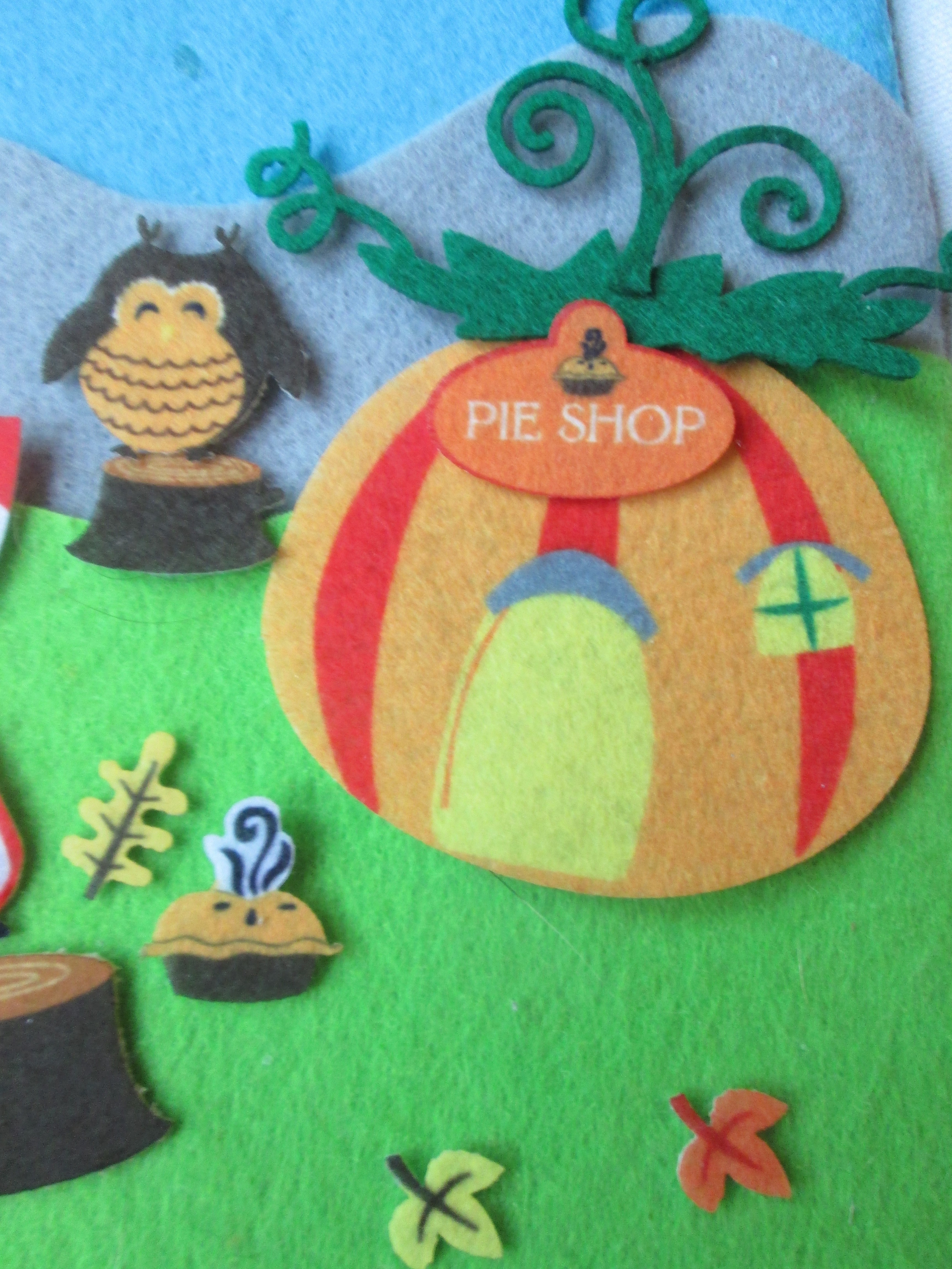
Check it out, that cute little pumpkin house that couldn’t get any cuter?  It can also be a pie shop!

IMG_0411

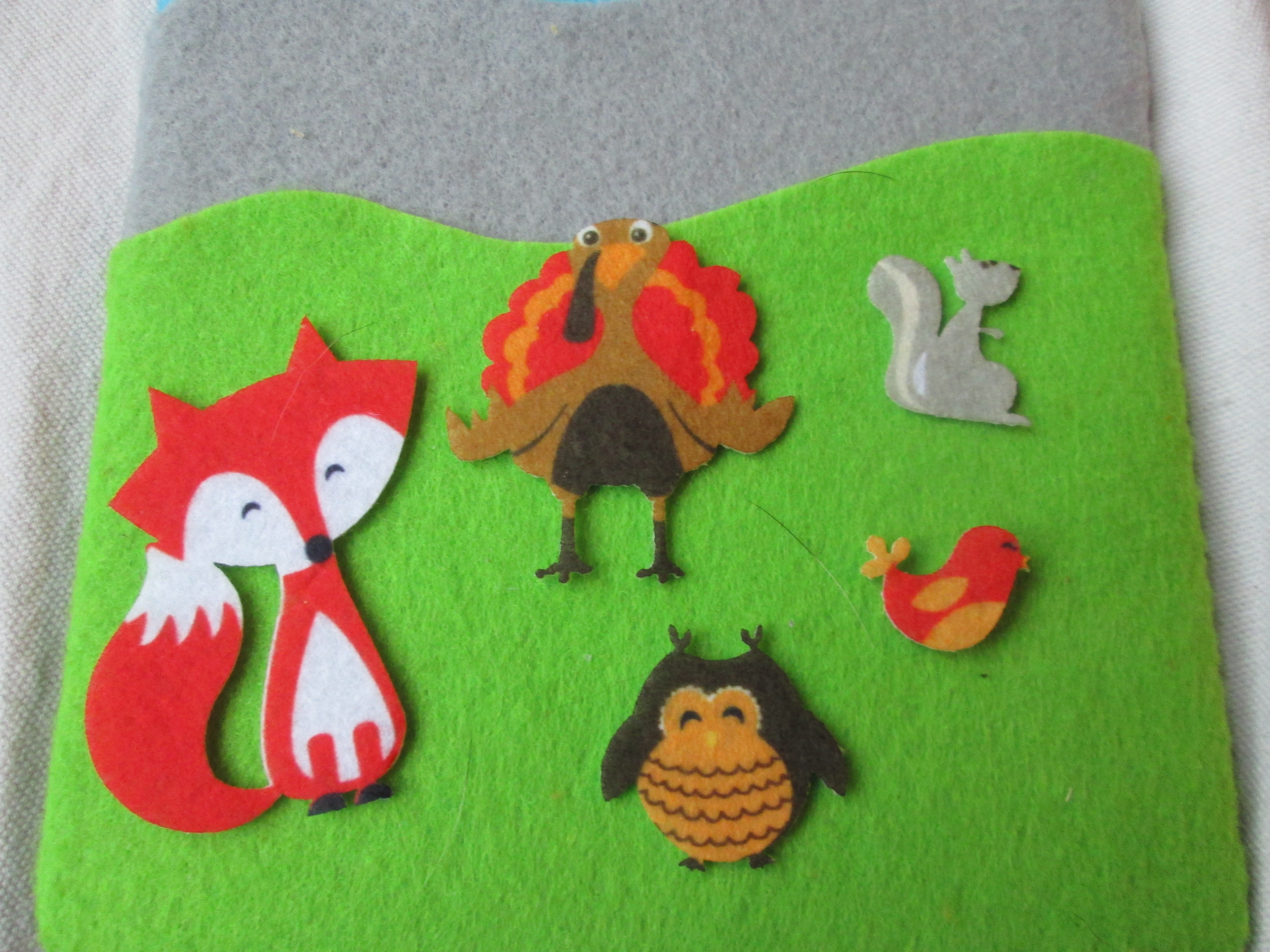
These five friends can have so, so many adventures.

IMG_0414

Felt boards are the best.  We have a much larger one with tons of random felt pieces (everything from farmers to ballerinas) that I’ve picked up at Goodwill and garage sales.  Seriously, you can buy those big new sets, of course.  (This is a cute retro one.)  But if you keep your eyes open, you can also find the pieces all over the place.  And any old piece of felt will do as a background in a pinch.  It doesn’t take anything fancy because there’s just something about all those moveable pieces that makes the imagination flow.  Each piece can be used in so many different ways.

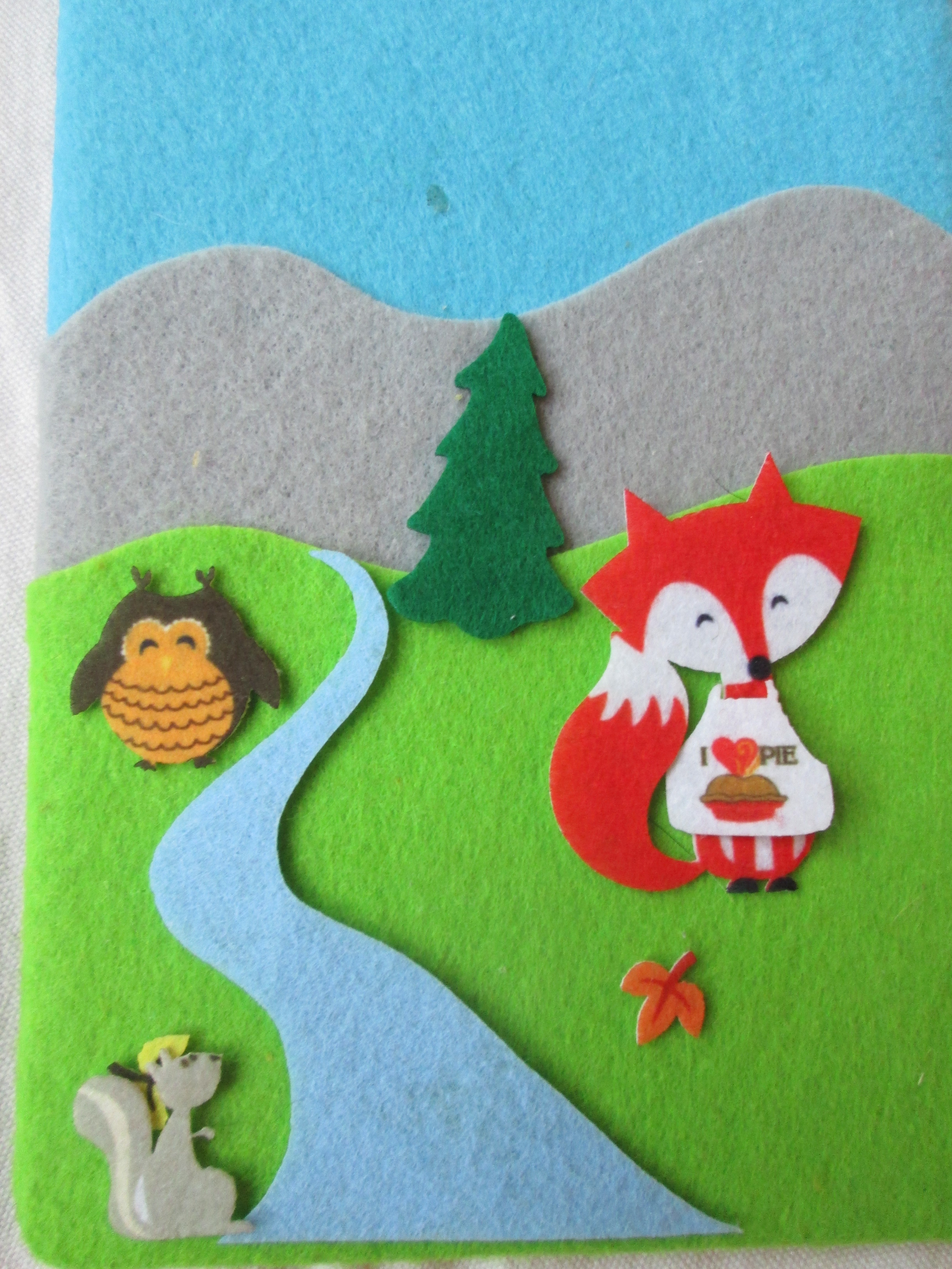
Take this blue squiggly thing, for example.  Yes, I think it is meant to be a river, where our pie-loving friends can go for a refreshing drink.

IMG_0412

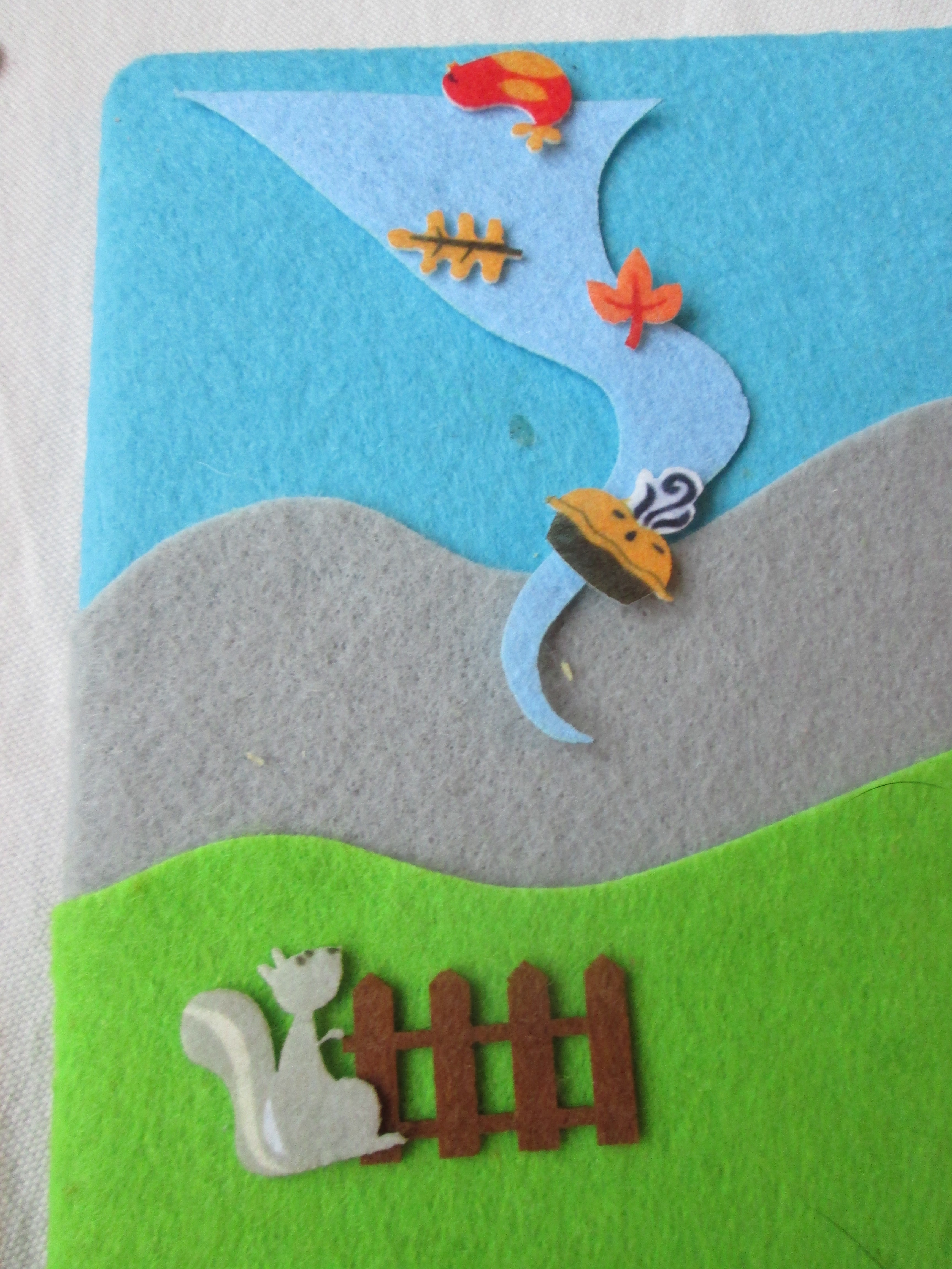
But there is no reason why it can’t also sometimes be a terrifying tornado, ready to suck up anyone who doesn’t cling tightly to the fence!

IMG_0413

With so many pieces to choose from, who knows what could happen?

IMG_0410

So look around this fall.  You  never know what storytelling opportunities might be waiting in that dollar bin.  And if you find any cute ones, let the rest of us know.  You can never have too many story boards.

Or too many fall decorations.


How to Turn a Boring Story Into a Jaw-Dropping Thrill Ride (In 6 Embarrassing Steps)

Some of this is material I posted years ago, when no one read this, and I wasn’t sure what I wanted it to all be about. I kind of liked it then, and it was the beginning of figuring myself out. Now that there are ten or fifteen of you reading, I thought I’d brush it up a little and share it with you again. Because in storytelling, the words are the least important part…

I could totally have titled this “How to Hold Your Kid’s Attention for Three to Five Minutes,” but that sounded too modest.  I prefer to make grandiose claims and then hedge my bets later.  That’s just my style.  So, cards on the table, no matter who you are, you can tell a jaw-dropping tale, but if you can make it last longer than five minutes, you advance to master status.   Still, five minutes of riveted attention is the Mount Everest of parenting. So.

Okay, it’s not.  (Again with the grandiose claims.)  It’s more like the Pike’s Peak of parenting.  Because we all know the Mount Everest of parenting is getting a kid to sleep for eight straight hours.  I’m sorry to say I have no tips on that.

So, back to our original claim that no matter who you are, no matter who your kids are, no matter how boring the story, you can make it into something your they will want to listen to.  It’s all in how you tell it.

Of course, like always, context is everything.  For example, I don’t recommend trying to tell your kids the story of how you buttered your toast while you are walking the magical streets of Disney World.  I’m guessing that story will be better told on a rainy day when your television has exploded.  But still…

1.  Make it about people they know, preferably themselves.  If you’re telling a story from your own childhood, you’re already halfway there.  But if you are telling a story about a princess trapped in a castle or a cowboy riding the range, name the main characters after your kids.  We even used to tell the story of “Ellielocks and the three bears” around our house.  It was a favorite.  I could get all philosophical and talk about how we’re all narcissistic at heart, or I could get all pedagogical and talk about how the use of their name triggers their imagination to place themselves in the story.  But that sounds like too much work, so instead I’ll pull a mom and say, “Trust me.  They’ll eat it up.”  The younger the kid, the more they will love this one.  The older ones may rebel.  But then, if your kids are older, you’re used to that by now.

2.  Use a goofy voice.  I don’t care how atrocious your British accent is.  Your kids don’t care either.  Try it out on a story.  I promise it will make it seem scarier…or funnier…or at least weirder.  Okay, so your spouse will probably laugh at you.  You might want to save that one for when you’re alone with the kids.  But you can give characters in stories any old voice you want.  Telling a story about your old math teacher?  Give her a witch’s voice.  Telling a story about a talking dog?  Make him French.  And do you think you are terrible at using different voices?  Join the club.  If you can’t do an accent to save your life, you can still try making a character talk really slow or really fast, really high-pitched or really low.  It works just as well, and anyone can do it.  Well, anyone who isn’t afraid to sound silly.  And if you are afraid to sound silly, you’d probably better stop reading this right now.

3.  Ask questions.  Let the kids get involved in the story.  Sometimes they are just questions to see if they understand.  “Once upon a time there was a heliotrope.  Do you know what a heliotrope is?  Me either.  Let’s Google it.”  Sometimes they are questions to get them guessing.  “And then the monster came in and found the girl, and what do you think he did to her?  No, he didn’t eat her.  He TICKLED her!”   Some questions are just for interaction.  “The only food he had to eat was dry, moldy bread.  Do you like dry, moldy bread?  If that was all you had to eat, what would you do?”  Questions are particularly good for stories the kids have already heard a thousand times.  “Wait, where was Little Red Riding Hood going?  Her grandmother’s house?  Why would she want to go there?  Was she hoping to get eaten by a wolf?”

4.  Move.  Shout.  Be Alive.  You know what I mean.  You don’t want to do it when you’re tired (which, let’s face it, is all the time), but it works every time.  If someone is going to jump out and yell, “Boo!”  You’ve got to jump.   You’ve got to yell.  If a bee is dive bombing you, swat it away, for goodness sake.  If you broke the chair because you’ve been eating too much porridge, have the grace to look surprised and a little ashamed.  If you can fall on the floor, all the better.   It’s actually pretty fun.  Storytelling, like so many great parenting things, can be a chance to be a kid again.

5. Break out the sound effects. This one pretty much goes along with #4, but it takes slightly less energy. Nothing makes their eyes go wide like someone’s footsteps on the stairs “creak…creak…creak” and the door slowly opening “squeeeeaaaak.” And let me tell you, my sound effects are laughable…and not in a good way. But my kids have never complained.  (Though to be honest, they have mocked a little.)

6. Never underestimate the usefulness of the dramatic pause. When their attention starts to waver, spice things up with a little silence. Take, for example, your toast buttering story. Right about the part when you put in on the plate and get the butter out of the fridge, things start to get a little dull. That’s when a pause can be the most effective. “I got the butter out of the fridge…(long pause)…and I opened the lid…(long pause accompanied by a look of suppressed excitement)…and what do you think I saw? (long pause…by now they are expecting alien symbols to be carved into the butter or a perhaps a severed finger) I…saw…that someone…SOMEONE…had used all but a tiny bit of the butter!” I know…the payoff is totally not there. But I’m telling you, the dramatic pause has given you three distinct advantages: 1)They were listening for those 45 seconds, 2)That tiny bit of boring butter is still about 100 times more interesting than it was before, and 3) You bought yourself some time to think up an alternate and maybe more interesting ending. Because maybe that dramatic pause didn’t just inspire your kids. Maybe it inspired you. Maybe on the spur of the moment, with the full knowledge of how boring your story is, you decided that what you really saw that morning was a big bite out of the butter and that your house is likely infested with butter eating monsters. Don’t underestimate yourself. It could happen.  Inspiration comes to us all when we’re least expecting it.

Okay, that’s it.  Names. Voice. Movement. Questions. Sound Effects. Pauses.  You can handle that.  So go do it!

It only takes five minutes! (And a little bit of your dignity.)