I saw a flying saucer today
I was lying on my back on the warm green grass
I looked up at the sky and there it was
Round and white and moving very slow
It landed on a swan
And with the lightest touch, the swan turned into a giraffe
The giraffe stretched out its neck
And broke into two pieces
Which turned into airplanes and flew at the space ship
But now the space ship was a tree
And the airplanes landed gently in its branches
And they all floated slowly off on the breeze
As I lay on my back on the warm green grass
In the Light
Once there was a woman of rare magic and rarer wisdom who saw the world growing darker and determined to fight it. Her magic was not of a kind to perform spectacular displays of power, but of a quiet sort that goes unnoticed while it works down deep and springs up in unexpected ways. She made healing potions for the sick whose doctors had given up hope, she put wards of protection around small children so they could walk the streets unharmed, she made gardens grow and flourish, she tripped up the plans of evil men with small accidents and missed timing, and no one ever knew that she was responsible.
No one understood why her city was brighter and safer and healthier than those around it, but the people who lived there felt hopeful about the future and even began to talk of helping those who lived in darker places. Meanwhile the woman found a man of rare wisdom, though no magic, who would fight the dark with her, and they married and lived happily for a time. The happiest moment of all was the birth of their daughter, a laughing baby with her father’s dark hair and her mother’s bright eyes. They named her Helena, which means ‘bright one,’ and her mother always told her, “You will bring sunshine wherever you go.” And she did, with her smiles and her cheeks and her little baby ways.
Unfortunately this happy time was not to last. When little Helena was only two years old, her mother and father were taken in a wave of sickness that swept over the city. Her mother, too sick to save herself but still determined to fight to the end, poured all her power into a little locket and placed it on Helena’s neck, whispering one last time, “You will bring sunshine wherever you go.” These were her last words, and Helena was left alone.
So many children had become orphans during this terrible sickness that the city could not care for them all, and Helena was one of those sent to another city, a dark and dangerous city, a city with little light and less hope, where evil men had filled the sky with a constant cloud of dirt and pollution. In that city she lived in an orphanage with many other children who had no parents, in a dreary corner of the city where nothing green grew and everything was dirty.
The day that little Helena arrived at the orphanage, everyone remarked at the strange and wonderful break in the weather. It wasn’t often that the sun was shining brightly enough to burn through the haze above. The small child was taken away by a worker made slightly more cheerful than usual by the warmth to a bare and dismal room rendered just a bit less oppressive by the sunshine peeking in at the window.
Things just got stranger and stranger, for the sunshine persisted day after day as the new little orphans settled into their new life. It might not seem like a few rays of light would make much difference in a life as grim as theirs, and it is true that their world continued to be full of thin, hard mattresses and cold echoing halls and pale, tasteless porridge. But sunshine makes little differences, too, all but unnoticed at first, but changes just the same. The heavily lined faces of adults who worked hard for little reward were occasionally smoothed as they looked up into the warming rays. Dirt and grime, long unseen in the gloom, were brought to light, and those who saw it would clean it away. Small green things began to grow in the narrow yard, giving a sense of hope and life that only small green things can give.
Of course, Helena, who had not known how terrible life here was before, felt only how much worse it was than her former home. The little locket she carried around her neck was her only tie to the beauty of life with her mother and father. Every night she took it out from where it rested under her shirt and lay looking at it on the pillow next to her, feeling the love that rested inside though not understanding its power.
Helena grew up, as all children do. She saw the neighborhood around her slowly change, as gardens sprang up in the sunshine and people clamored to live on the only street in town that wasn’t under the cloud. When she was older, she helped with the younger orphans, showing them how to dig in the fresh earth, to plant and weed and breath in the garden smells. She told them stories as the last rays of sun faded into night’s darkness and taught them to read in the shade of the willow tree in summer. She made them happy with smiles and hugs and braided hair and paper airplanes, and when at last the day came that she must leave the orphanage, all grown up, she found that it had become her home.
You know what happened next. Helena left the orphanage and went to another part of the city to work and live, and the sunshine went with her, following her locket as her mother’s magic worked its way. The orphanage was once again a dark and gloomy place, and all the more so since those who lived there remembered what light had been like. Helena worked hard and made her new neighbors’ lives brighter and better, and each week she visited the children in the orphanage and gave them one day of sun in their new dim.
It didn’t take long for her to notice that things at the orphanage were not what they should be. The garden was dying, dirt was creeping back into corners, and the children’s faces were pale and serious. Helena began to question the children, who told her of the clouds above and the sun that only shone when she came to visit. A new understanding came to her. She walked and she talked to everyone she met. She asked questions and put answers together and finally realized the magic her locket contained.
That night Helena sat at her little table in her tiny apartment and thought about light and darkness and magic and hard work. Then she went to bed, and in the morning she walked in the sunshine all the way to the orphanage and out into the garden, where the littlest orphan was pouring water on a sad and lonely rosebush.
Helena knelt down and took the locket from her neck and put it around the neck of the little girl. She whispered a precious secret in the little girl’s ear. Then she stood up and walked away, leaving the sunshine behind her, her mother’s gift to guard the children, as she moved off into the dark city to fight against the darkness with her own light.
So it was that Helena proved that she had none of her mother’s rare magic but all of her even more rare wisdom. And only time would tell if it was enough.
What Light Flickers
For those of you few and faithful who come here and read the little things I eke out week after week, I give you an exclusive treat, an excerpt from The Book of Sight, my first novel which came out on Kindle yesterday. Not much in the way of a thank you, I suppose, but there’s an even better one at the end.

Left alone on the bank of a rushing river in a giant underground cavern, sick with worry about her friends, and feeling the dark press in around her as if it would extinguish her little flashlight, it was easily the worst moment of Alex’s life.
She saw Logan and Dominic dive into the water and disappear from sight, and a panic rose up in her throat, almost choking her. In that moment, it was all she could do to keep from throwing herself into the water as well. But Dominic’s last words to her were still ringing in her ears. Find something to use as a rope. Her panic took a new direction.
She began to rummage, snatching up each backpack and dumping its contents on the ground. A few items caught her eye but were rejected nearly as quickly as they were seized upon. Some rubber bands. A necklace. Dental floss. At that last one, Alex screamed in frustration. This was useless. There was nothing. Then her eye fell on the ace bandage from her first aid kit. But, no, it was only about two feet long. Unless…
With sudden inspiration, Alex whirled around and seized the pile of discarded clothes. It was perfect. Starting with the socks, she tied everything together, carefully double and triple knotting, praying that getting wet would make the knot stronger. Unsure how long a rope would be needed, she stripped off her own socks and shoes, adding the laces to the very end. That was it. The best she could do.
Gathering up the whole hodgepodge pile in her hand and balancing her flashlight on top, she began to make her way downstream as quickly as possible. She had only gone about four feet when she slipped and, unable to catch her balance with her hands so full, sprawled face first on the rocky ground. The soft rope cushioned her fall, and she was unhurt, but her flashlight rolled off with a thunk and went out.
By this time she could hear yelling very faintly from up ahead. There was no time to lose. She felt frantically around for the flashlight with no luck. She knew she had no chance of feeling her way along in the dark. Another yell reached her. There was no choice.
Alex stood up and began slowly creeping along, praying she wouldn’t misstep and fall into the water. Two steps, three, four. She tried unsuccessfully to remember how far away the end of the cavern was. More yelling. Five steps, six steps. She bashed her bare toe on a rock and cried out in pain. Seven steps, eight.
With no warning, her right foot came down in about a foot of water. She fell sideways this time, into the river. Flinging out her hands to catch herself, Alex let go of the rope. The water wasn’t deep, and Alex was able to get back up on the bank in no time, but the rope was gone, carried away by the rapid water.
Alex collapsed in despair. She sat huddled alone on the bank in the dark, sobbing and dripping and shivering uncontrollably, listening as the shouting from downstream continued. She didn’t know if she could bear to hear the last drowning cries of her friends. Alex covered her ears and cried harder. She had no idea how long she sat there, but at some point she heard something that caused her to raise her head. It was quiet.
Was that it then? Were they all dead?
A sudden sense of horror at being alone in the dark with all her dead friends spurred Alex into action. She crawled back upstream, feeling carefully around for her lost flashlight. When she arrived at the pile of junk that was the emptied out backpacks and realized that she had missed the flashlight, she had to stifle another sob. She turned back, this time walking and trying to count the steps she had taken before falling. A few steps in, she stepped on it, falling for the third time and skinning both knees. Clutching the precious plastic tube to her chest, she felt for the switch. A few frantic flips of the switch and a tightening of the battery cover later, the light came on. Alex cried out in hysterical relief.
Now that she had the light, she had to decide what to do. Should she just head out of the cave and go get help? Or should she attempt to look for her friends? Was there any chance that anyone was still alive? The thought of hunting by herself in the dark and maybe finding someone’s body washed up on the bank was almost more than she could bear. But in the end, she knew she couldn’t just leave without knowing for sure that no one still needed her help. With only a short pause to put her shoes back on, Alex headed downstream again.
Now that she had the light to guide her and her shoes to protect her feet, it didn’t really take that long before she could see the wall of the cavern looming up ahead of her. The roaring sound of the river was getting louder as she approached the place where the water crashed against the rock face, but she began to imagine that she could hear something else over the rushing sound. Was that laughter?
Heart pounding, Alex moved forward even quicker. Suddenly she heard shouting from the other side of the river. She couldn’t make out all the words, but she definitely heard her own name.
“I’m here!” she yelled. “Are you okay?” Alex leaned forward with her flashlight, but the river was just too wide.
There was some response, but she couldn’t understand it.
“I can’t hear you!”
More indistinguishable shouting followed this and then a pause. Finally several voices in unison reached her, “Go upstream!”
Alex did, moving slowly, aware that the others would be walking without the aid of a flashlight. From time to time she shined her light out across the water. Even though she couldn’t see the other side, she hoped they could see her light and that maybe it would help them walk.
When she arrived back at the pile of discarded belongings, Alex stopped to wait, leaving her light trained on the river. It was several minutes before she heard the yelling again. The water was a little quieter here, and this time she could hear Dominic’s voice, faint but clear.
“We’re all okay. We made it.”
That’s from Chapter 19 of The Book of Sight. You can get the whole book for Kindle on Amazon for only $.99. And here’s the gift part, if you wait until April 1, you can get the book for free. The free offer will only last for five days, so be sure to take advantage of it right away. If you don’t have a Kindle, you can download the Kindle reader app for your computer, phone, or tablet and read it that way.
And there’s already a sequel! The next book in the Book of Sight series, The Broken Circle, is also available on Amazon, so you won’t be left hanging when you get to the end.
These two books are the first in what I plan to be a five book series about five friends who are given a book that changes their lives. Once they’ve read it, they are able to see things that have always been there but couldn’t be seen before. They meet wonderful creatures (and some terrible ones, too). They see beautiful, amazing things (and some hideous ones, too). Their lives which used to be flat and predictable are now rich and full and exciting, but they soon learn that they are going to have to fight hard to keep it that way. There is someone out there who will stop at nothing to keep the book a secret and stifle its power, and the kids will have to work together if they are going to survive.
There will be real paperback books available soon, too. They will be coming in just a few weeks, and I expect to have a place to pre-order those on the Madison House Publishing website later this week.
Bought and Sold
Once there was a girl named Molly and she was all alone in the world. She didn’t live alone. She lived with her aunt in a broken down house on the edge of town. But her mother and father had died when she was just a little girl, and though her aunt was her father’s sister, she did not love Molly even a little bit. No one did. And that is how Molly knew she was all alone.
Being alone made Molly very sad, of course, but she always reminded herself that things could be worse. Her aunt told her so. She could be sold to gypsies. This thought always made Molly shudder. Her aunt told her often what that would be like.
When Molly was washing the dishes after dinner and accidentally broke a plate, her aunt said coldly that clumsy children would be sold to the gypsies, who would only give them bread and water to eat.
When Molly was bringing her aunt some tea in bed and accidentally spilled a bit on the covers, her aunt shrieked that the gypsies wouldn’t let her sleep in a bed, but make her wrap up in an old blanket on the ground in a tent.
When Molly’s aunt caught her singing while she pulled weeds in the garden, she told her to be very careful that no one ever heard such songs, or the gypsies would come and take her away and force her to stand up in front of many people and sing until her throat hurt and people booed and threw rotten fruit at her feet.
When Molly’s dress was torn by a dog on her way home from the market with the food for dinner, her aunt shrugged and said she must sew it up and wear it just the same. Ungrateful girls would be sold to the gypsies who would dress her in bright orange and scarlet, and everyone would stare and point and laugh.
This was the thought that made Molly shiver at night. She could be sold. Sold like the animals in the town market. Sold to dark and terrifying strangers who would carry her off to be seen by more strangers, and everyone who saw the little girl with pale skin and gold hair would know that she didn’t belong there, would know that her own family had not wanted her. Molly determined to work very hard.
She did her best. She cleaned the house without complaining. She learned to make the special cookies that her aunt liked to have with her tea. She made sure she did not complain and that no songs escaped when her aunt could hear them. In fact, she was all but silent. But still, nothing ever seemed quite right. Her aunt pointed out that there was still dust on the mantle, and the cookies were too sweet, and Molly’s smile did not seem grateful enough.
Molly’s best was just not good enough, so she was not really surprised to see the old woman draped in scarves in the front yard speaking to her aunt. She was not really surprised to see money passing from hand to hand. She was not surprised when her aunt called her out into the yard, but she was very afraid. She trembled as she closed the door carefully behind her, and could not look up even when her aunt told her to pack her things.
“No things,” said the old woman in a heavily accented voice. “No need things.”
Molly felt tears in her eyes, but she didn’t dare cry them. She wasn’t even allowed to have any of her own things. She didn’t own anything worth bringing, but surely having worthless things was better than having nothing at all.
Before Molly knew what was happening, the old woman gripped her hand and led her out through the front gate. Molly tried to find the voice to say good-bye, but nothing could get past the lump in her throat. For just a moment, she lifted her eyes, but her aunt had already gone back into the house. Molly swallowed a sob, but a little squeak came out anyway. The old woman tightened her grip. Her hand was very strong.
Molly hurried along next to the old woman, looking down at the ground, feeling misery all the way down to her bones. She just knew that everyone in the town was looking at her, watching the old gypsy pull her along, whispering about how Molly had been sold. It wasn’t until she saw tree roots under her feet that Molly realized they were walking into the forest and not through the town at all. She looked up and saw trees on every side. A few minutes later, they came out into a clearing full of wagons and people.
Molly had never seen anything like it. The wagons were painted bright blue and red and green and yellow. People were everywhere, setting up brightly colored tents, cooking food over fires, caring for horses, talking, laughing, children chasing around yelling. It was all so loud and strange, and Molly had never been more scared in her life.
Molly was led into one of the wagons. It was like a little house on wheels, and inside it was draped with brightly colored scarves and other brilliant things peeked out of cupboards. At the back, a beautiful young woman with rich, dark hair and was wrapping a shawl around her shoulders. The old woman said a few words that Molly could not understand and then left. Molly tried not to stare at the beautiful girl, but she didn’t know where to look.
“Sit,” said the girl softly, and Molly sat on the only chair she could see. She knew the best way to stay out of trouble was to obey without asking questions. “We must find you a new dress,” the girl decided. “That one will never do.” Molly held back her tears. It was just as her aunt had said. She would have to wear something that made everyone stare. And it was true that when the girl handed Molly a dress, it was colorful, brilliant green and golden yellow and pink. Fortunately, it was also soft and warm, and when Molly put it on, she did not feel as bad as she expected. In fact, she felt comfortable, and she couldn’t help thinking that the colors were lovely, even if they would make people laugh at her.
That night Molly sat by the fire with the gypsies and listened as they talked and laughed. She tried not to tremble, but she couldn’t help it. She could not understand most of what was said. She did not know where they were going to travel or what they were going to do to her. When people started singing after dinner, she was careful not to let herself sing along, even though the music seemed to go inside her and swirl around and push against her throat. She thought she could stand to work hard for these strangers, but she could not bear to be put in front of people and made to sing.
That night she slept in a tent with the beautiful girl. It was just as her aunt said. She was given some blankets and told to make her bed on the ground. But it was not hard and dirty as she had thought. Molly was cushioned by a pile of leaves which had been laid down under the tents. Her blankets were warm, and she could hear the wind blowing in the branches outside, a soothing sound which lulled her to sleep almost immediately.
As the days went on, Molly found many things like that. It was as if the gypsies were exactly what she expected…and yet not at all like she expected. She was given work to do, sweeping and sewing and washing, but everyone in the camp seemed to work with her. They all sang as they worked, and she found it very hard not to sing with them. It was true that they all ate very simple food: bread and cheese and water to drink. But Molly thought the bread was the tastiest thing she had ever had and the water came from a forest spring and was fresh and cold and wonderful. No one tried to atlk to her. Molly didn’t blame them. She had been sold, and even the gypsies who bought her must know that she did everything wrong. It didn’t matter anyway. Everyone spoke a language that Molly didn’t understand. Secretly, she thought it was beautiful, almost like music, and it made her want to be quiet since her own language was so ugly by comparison. Only the lovely young woman spoke to her in her own language. Molly was often with this girl, and she thought she must be some sort of gypsy princess, and Molly was meant to be her servant. She tried hard to do things just as the girl asked, and she thought maybe she was succeeding since the girl seldom complained.
Things went on like this for a week, and Molly felt herself relaxing. Everything was strange and she was still all alone, but she was used to that. And there were some things that were wonderful here. The best of these was the singing after dinner each night. The music was so beautiful that Molly would forget who she was, forget that she was all alone and that she had been sold. One night she even forgot that she must not sing, and her voice carried out and mixed with the other voices and she felt as if she had never lived before that moment. When the song ended, she saw that everyone was looking at her. Their smiles seemed terrible to Molly. How they must be laughing. Molly jumped up and ran to her tent.
A few minutes later, the beautiful girl stepped inside. She was humming softly, and she got ready for bed quietly, without looking at Molly. Molly was relieved, but she was also worried. Was the girl so angry that she wouldn’t even speak to her? Or worse, was she happy that Molly could now be used to sing on the street corners, thinking of the money she would bring in? The girl blew out the lamp and laid down on her own bed.
“You have lovely voice,” the girl said into the darkness. “The song was better tonight than it has ever been.”
Molly felt tears running down her cheeks. She tried not to sniffle.
“You must sing more often,” said the girl.
This time a little sob escaped before Molly could stop it.
“Why do you cry?” asked the girl with concern, sitting up in bed.
Molly whispered into the dark, “Please don’t make me sing on the corners.”
“The corners?” said the girl, astonished. “Oh. I see. You have seen the people singing on street corners. Perhaps you were told that when you were sold, you too would be made to perform.”
Molly knew the girl could not see her nod, but she couldn’t talk.
“I was told such stories, too,” said the girl. “I was told I would be made to dance before strangers who would laugh at me. I was told I would be kept chained in a gypsy wagon and only let out for the dancing.” She laughed. “You can see that this is not true.”
Molly was so shocked she spoke without thinking. “You were sold?”
“Not sold,” said the girl. “Bought.”
Molly could not see the difference.
“I know it is hard not to be afraid,” the girl said. “I know there were those who did not want you. I know you feel alone. But look around you. Here everyone was unwanted once. Here everyone was sent away. And here no one is alone. Were you sold? Perhaps. But you were also bought. Bought by someone who wanted you here with us. Who knew you would belong.”
Molly lay awake all night, thinking. She could not quite believe what the girl had said, but for the first time, she felt a bubble of something inside her chest. Something that felt light and hopeful.
The next morning, the thing Molly had dreaded, came. The gypsies all began packing up the camp to travel far away. Molly helped with the packing, and found that it was like everything else, different than she had expected. She found that the idea of new places and new things did not feel frightening but exciting. She found that the bubble inside was growing bigger.
That morning, Molly sat on the seat next to the beautiful girl as the wagons rolled through the forest and away from the life she had known, and off into a world that was never exactly as she expected, never quite what she had been told.
The Road to China
Once there was a boy named Josiah, and he decided to dig a hole all the way to China.
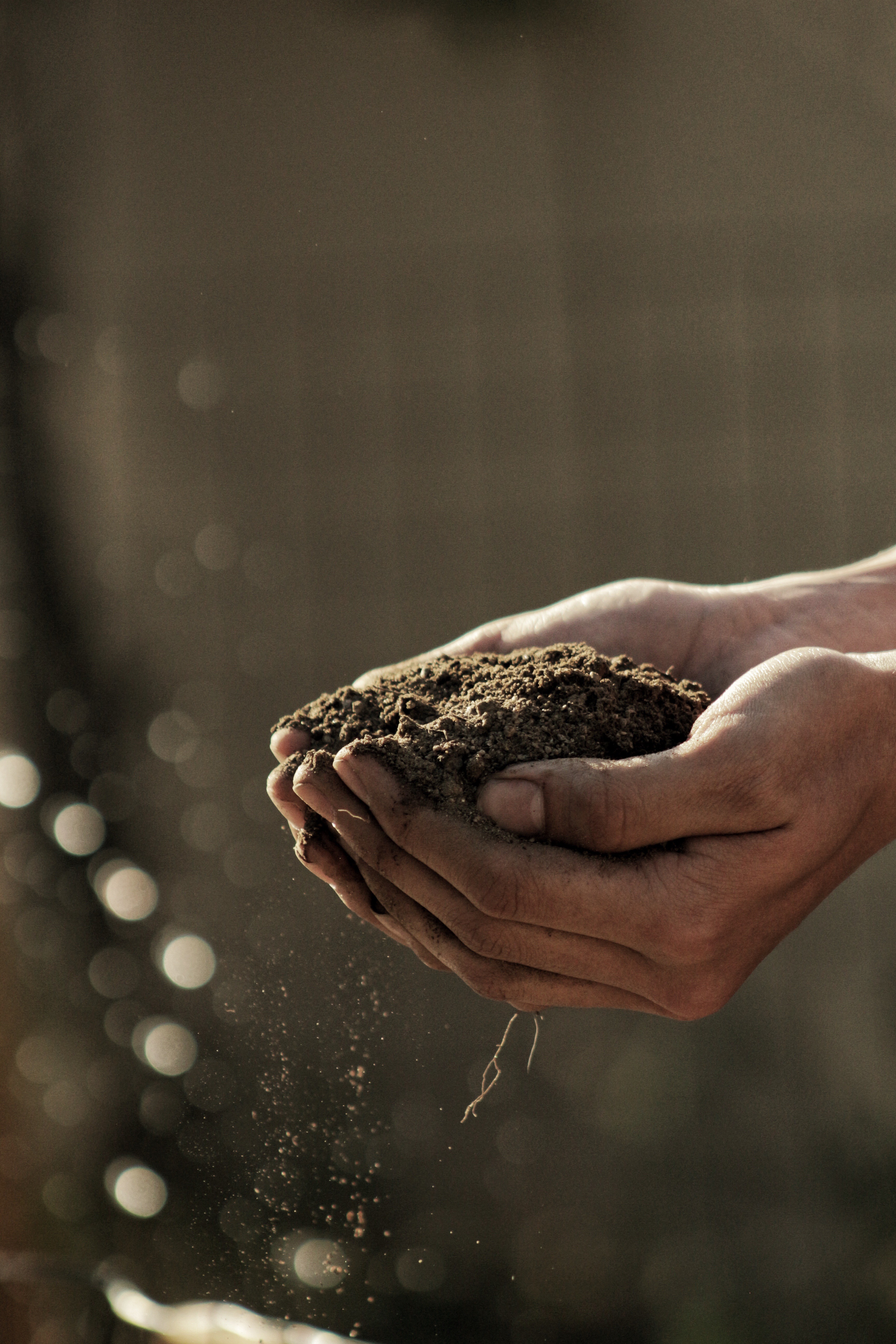
Josiah had recently started Kindergarten, and one of the first things he learned was that the Earth is a gigantic ball. The place where Josiah lived was on one side of the ball, and all the way around on the other side were far off countries like China. Josiah had always wanted to visit far off countries. He had thought he would have to wait until he could drive a car or fly an airplane. He didn’t know there was a direct path to them, straight down. There were no streets he wasn’t allowed to cross under the ground, just dirt, and he was allowed to get as dirty as he wanted between school time and dinner.
Josiah had a corner in the back yard that was all his own, so that is where he began. He worked alone. When he had announced that he was going to dig a hole to China, his father had said, “That’s nice,” and his mother had said, “Just be back in time for dinner.” His older brother, George, had laughed and said, “You are such a baby. You can’t dig to China. Under all the dirt is rock, you know, and you can’t dig through that with a plastic shovel. Besides, you would have to go through the center of the earth, and that is lava. No one can go there.” Even though he hated being called a baby, Josiah liked his brother’s answer best. Sometimes it is better to be laughed at than ignored.
Plus, his brother’s answer was useful. Josiah added a hammer and a bucket of cold water to his list of supplies.
Josiah worked hard. He dug down deep with his shovel and piled the dirt in a neat heap next to his hole. He had only gone down as deep as his elbows when he found the first bone. Josiah held it up and brushed the dirt off. It was small, and he knew it was probably an old steak bone that his dog, Stella, had buried. She liked to stick bones in the ground and come back for them later. Still, a bone looks very different when you pull it out of the ground than it does when you see it on your plate after dinner. He was still examining the bone when his next door neighbor stuck his head over the fence.
“Coooool!” said Alexander. “You found a bone! It’s like you’re a paleontologist. I learned all about them at the museum. They dig up dinosaur bones. Can I come dig with you? I want to be a paleontologist, too.”
Josiah considered. Being a scientist who dug up dinosaur bones sounded fun. And with two people digging, he would get to China twice as fast. He told Alexander to get a shovel.
Josiah and Alexander got to work. Working together, the hole was soon twice as wide and getting deeper by the minute. They found several more bones. Alexander told Josiah all about dinosaurs, and they decided that what they had found was a baby dinosaur, since the bones were so small. They figured that no one had ever found the complete skeleton of a baby dinosaur before. Once they put the whole thing together, they would be famous. They dug until they had a small pile of bones and the hole was so deep they had to jump down inside to dig more.
“I’m supposed to tell you that we have half an hour until dinner,” said a voice. It was Josiah’s cousin, Roland. Roland and his family had come to dinner, and he was sent outside to play until the food was ready. “Whoa!!” he said when he saw the hole with the pile of bones next to it. “It’s like you guys are in a war! I read about how soldiers dug trenches to hide in when they were fighting. You must be pretty good soldiers. I can see the bones of your enemies! Can I play, too?”
Josiah considered. It had been a while since they found any more bones, and being a soldier sounded pretty exciting. Plus, three people digging instead of two would make a path to China even faster. He told Roland to hop in.
Josiah and Alexander and Roland got to work. The trench was not deep enough to hide them from enemy bullets, so they had to dig down to get their heads out of sight. Every few minutes enemy fire would rain down on them, and they would drop their shovels and grab their guns to defend themselves. This only made them dig faster when the attack was over, though, and they soon had an admirable trench for their own protection. They had just fought off a particularly fierce advance when Josiah’s mother called them in to dinner.
Climbing out of the hole, the three boys shook hands solemnly. It had been a good day’s work.
“So you couldn’t make it all the way to China, widdle baby?” asked George before bed.
Josiah shrugged. “You can’t dig to China in one day,” he said. “I’ll dig again tomorrow.”
Josiah got in bed, his arms aching from all that digging, and thought about how his grandma always said the road to a place is more exciting than the place itself. He had never believed her before, but now he saw what she meant.
He thought of being a paleontologist and a soldier.
He wondered what else he would get to be on the road to China.
Mother Hugglemore (part 1 of 2)
Once a good girl named Ella had the impossible burden of being nice to her cousin Charlie. Charlie was not the nice sort of cousin (not like your own). He was the sort of cousin who spied on you writing in your diary and then went around making up songs about all your secrets. He was the sort of cousin who pinched you under the dinner table and pulled your hair when no one was looking and then cried when you accused him as if his feelings were hurt. In short, he was mean and nasty, and unfortunately for Ella, he was staying in her house for six long weeks while his parents went on a business trip.
Ella’s only escape was the woods. Whenever she couldn’t bear Charlie any more, she would escape through the back fence and out into the wild woods behind her house, wandering among the trees and gathering interesting twigs and leaves or finding a curved tree branch to settle in with a book. Charlie was from the city, and he was a little afraid of the woods, so while she was there, Ella felt safe.
One day, though, Charlie was especially bored, which meant that he was especially mean and nasty. At the breakfast table, he knocked Ella’s cereal into her lap on purpose and then laughed while she tried to clean it up. He made up an irritating little song about this event, which he spent the whole morning singing in a whispered voice that the adults wouldn’t hear. He also ripped several pages out of Ella’s favorite book and wrote a poem about how ugly her hair was, which he taped to the bathroom mirror. This last one made Ella burst into tears. She ran out of the house and through the gate as fast as she could, but she was so upset that she didn’t latch the gate behind her or make sure to take winding paths that couldn’t be followed.
Unfortunately, Charlie was also bored enough on this particular day to follow her into the woods. He was still a little frightened, but he also felt meanly proud of how he had made Ella cry, so he kept after her, hoping there would be a chance to repeat the nasty poem when she stopped running.
Ella ran a long way, crying. She had always been a little worried about the color of her hair, and Charlie’s poem hit her where it hurt. She was so busy worrying about it now that she didn’t pay any attention to where she was going. When she finally came to herself and looked around, leaning against a tree to catch her breath, she saw that she was in a part of the forest she had never been in before. The trees were tall and draped with vines, but not the scary dark tangly sort of vines. These vines had flowers all along them, and the sun was shining brightly through the leaves, making it feel like an immense wild garden. It was so beautiful, that Ella forgot all about the horrible poem and felt happier at once.
She was wandering around picking flowers when she spotted the sweetest little house she had ever seen. It was long and low, with a steep pointed roof and it was covered from foundation to peak with blooming red flowers. Flowering vines even curled around the windows and the spotless white door. It looked like it had just grown right up out of the ground fully formed, and only a little smoke curling up from the flower-covered chimney showed Ella that a real person lived inside.
Ella was normally a little bit shy, but something about this wonderful house drew her in, and she walked straight up to the door and knocked. A warm, friendly woman’s voice told her to come in, so Ella did.
When she stepped through the door she found herself in a sunny kitchen, with a clean white table in the middle and an old-fashioned stove against one wall. Wonderful smells were coming from that stove. Standing next to the stove was the most unusual person that Ella had ever seen.
She was a bear. A big, furry brown bear, with a mouth full of teeth and paws full of claws. But she was wearing a flowery dress, covered with a clean pink apron, and a sweet little cap on her head. In her hands, she had a tray full of cookies that she had just taken from the oven, and which she now set down on top of the stove.
Ella felt that she should be frightened, but she was not. She knew that bears in the wild woods sometimes eat little girls, but she did not know that they wore dresses or baked cookies that smelled like heaven, so she thought maybe she had been misinformed about bears. (As it happens, she was not misinformed. Most bears in the wild woods DO eat little girls. This bear was something special, as you will see.)
The friendly bear introduced herself as Mother Hugglemore and invited Ella to have some tea and cookies, which Ella was happy to do. She soon found herself seated at the cozy kitchen table with her stomach pleasantly full of sugary goodness, telling Mother Hugglemore (who was a delightful listener) all of her troubles.
Charlie was not having nearly such a good time. He had followed Ella until she stopped, but not being nearly as used to running as she was, he felt hot and breathless and he had a pain in his side. He flopped to the ground behind some bushes while she leaned against the tree. He thought he would wait until he felt a bit better before popping out and taunting her some more.
It took him quite a while to feel better. When he did feel ready, he leaped from behind the bushes only to find that Ella had gone. Charlie was not at all comfortable being alone in the wild woods. For the first time, he looked around him. The trees were impossibly tall and tangled with vines everywhere. To Charlie, it was like some kind of jungles scene from a movie. He wondered if these plants were all poisonous.
Charlie told himself that Ella couldn’t have gone far (she must be so tired from running herself), so he walked a few steps, looking around carefully for snakes and other dangerous creatures. He saw nothing, no creatures and no Ella, just more and more trees and ominous evil vines. Charlie forced himself to walk a bit further. He was just about to call Ella’s name when he saw the house.
Now, Charlie wasn’t one to notice things like flowers. All he saw was an overgrown old shack, but the smoke coming from the chimney made him feel slightly better. Smoke mean fire, which meant people, and Charlie felt much better about people than he did about trees. He hurried forward and opened the door without knocking.
Imagine his shock when he saw Ella, sitting at an old table, right across from a terrifying grizzly bear. He let out a scream and turned to run (leaving Ella to her fate), but he tripped on the door sill and fell sprawling onto the ground outside.
“This must be Charlie,” said Mother Hugglemore.
Ella was surprised and sad and a little angry, too, which was a combination that made it very hard to speak. She just nodded instead.
“Come in, Charlie,” said Mother Hugglemore, helping him to his feet and showing him to the table. “Have some tea.”
Charlie (who, like most people, only heard what he expected to hear) felt the bear lift him in her terrifying claws and growl angrily as she threw him toward the table. He landed, miraculously unhurt, in the chair next to Ella, where he sat trembling and trying to remember everything he had ever been told about bears. It wasn’t much. He thought he had read once, though, that with some wild animals you must hold perfectly still until they forget about you and go away. As he was trembling too hard to get up and run, he decided to try this approach.
Ella was trying not to look at Charlie. She felt that she should have known that he would come along to ruin things just when she had found someplace safe and wonderful. She felt that she was doomed to a life of Charlie forever, and she tried not to be angry when Mother Hugglemore poured him his own cup of tea.
“Now, Ella,” said Mother Hugglemore. “I think I have the solution to your problem.”
Ella looked up, surprised.
“I sometimes take in children for short periods of time. I think Charlie would be just the sort who could benefit from a stay in my house. That would give you a break from having him at home.”
Ella was upset. It seemed completely unfair that Charlie should get to stay here in the charming little cabin in the woods and eat delicious cookies and have Mother Hugglemore all to himself.
“Look at Charlie, Ella,” said Mother Hugglemore calmly.
Ella turned and looked. Now she saw that he was trembling from head to foot and his face was white as chalk.
“He doesn’t see what you see,” said Mrs. Hugglemore. “Don’t you think that it would help him very much to have his eyes opened?”
Ella wasn’t sure that she wanted to help Charlie, but she did want to be rid of him. And a small and not very nice part of her was happy to see him so afraid. Maybe this was what he deserved.
“My parents will worry,” she said at last.
“I will write them a letter asking if Charlie may stay,” said Mother Hugglemore. “The parents around here know me quite well, even if they do not tell their children. Charlie will not be my first guest.”
Ella nodded and stood up. She felt sorry to be leaving the wonderful cottage, but happy to know that Charlie would not be at home when she got there. She felt even happier when Mother Hugglemore handed her a plate of cookies to take along with the letter to her parents.
With a final hug for Mother Hugglemore, Ella went out, leaving Charlie alone with the bear.
TO BE CONTINUED
This Blog Has Been Hijacked to Bring You the Following Message
It ain’t easy being a shrub.
The droughts in the summer, long days of baking in the sun and the constant thirst that ten minutes under the hose at night can never even touch. The snow in the winter, heavy weight that only gets heavier as it turns to ice, dragging your branches down into a mangled mess.
It’s a rough life, but I’ve done my best. I’ve sucked at the dry earth and held on tight to my leaves each summer. I’ve shivered away the winters and done my best to pull my branches back into shape with the coming of spring. I did all this and I didn’t whimper once. I didn’t even complain when those kids moved in and started picking at my leaves. At least it was fun to hear them laughing while they did it.
That’s all done now. I can no longer be silent. This creature…this, this….dog….is too much.
Five times a day the door opens, and five times a day that creature comes bounding out. And what is the first thing he does? He pees all over me! Listen people, I get it. This is a part of nature. I’ve had bird droppings falling on me since I was a sprout. But do you have any idea the acid level in that dog’s pee? It’s killing me. Literally.
It gets worse. For some reason, the beast has decided that his back is itchy and his incompetent paws can”t reach around to scratch it. His solution? He sits right down, wiggles as close to me as he can, and then throws himself backwards and writhes around, breaking branches and knocking off leaves willy nilly. I now have a dog-sized hollow in one side, and it doesn’t improve my looks.
It’s time for this to end. Enough is enough. I am not a violent shrub, nor do I mean to alarm anyone, but perhaps this short story will help you see the situation.
Once upon a time there was a shrub. He lived with his mortal enemy, the dread hound. The dread hound attacked the peaceful shrub over and over until the shrub became desperate. Seeing that no one was going to do anything about it, the shrub decided to take matters into his own branches. All one night, the shrub worked at pulling his roots free from the ground. In the morning, when the dread hound came out for his daily bullying, the shrub was ready. He whipped his root around, beating the dread hound around the ears, until the hound ran off yelping. The shrub gave chase, pursuing the dread hound around the house to the spot where the creature hid himself in terror under the swing set. There, the shrub stood watch over the trembling dread hound until nightfall. Then, of course, the shrub died because shrubs can’t live for long with their roots out of the ground. But he died happy, and his last words were, “It was worth it.” The people were heartbroken when they found him, for, even though they were grateful for how suddenly well-behaved their hound was, they could never replace the hole in their landscaping left by that lovely shrub.
This is not a threat. Merely a rough sketch of one possible future. Feel free to draw your own conclusions.
Just don’t wait too long.
Title goes here
A silly-name person in an odd-colored hat
Some funny action and an upset cat
Lots of rhyming words and a goofy twist
Perhaps a small moral so it won’t be missed
(This is the poem I meant to write
But I find I don’t have it in me tonight
Laughter is for every day but silliness is not
So for now this feeble offering is all I’ve got.)
Glow
Every night when Lisa lay down, she put her light in a jar by the side of the bed.
After a long day of running and reading, of climbing and eating, of arguing and laughing, of flipping and thinking, Lisa had generated quite a glow. Her face was bright and her fingertips shone and sparks flew at her every step. It took some time to get every last bit into the jar, but when it was done she could lie on her side, peaceful and still, and gaze at the light until she slipped into dreams (which could never be dark with such radiance to watch over her).
Lisa wasn’t the only one comforted by her glow. Nearly every night, her brother and sister would creep in and make little nests near the jar, snuggling up close with the light on their sleepy smiles. The dog settled in nearby where one soft ray showed his ears perked up for any night sounds. Even the owls, hunting in the outside night, came now and then and perched on the window frame to warm themselves before returning to their work.
How horrible, then, was the day that the jar disappeared!
In the morning, no one noticed. With so many people to soak up the light, the jar was always quite dim when the sun rose up. Lisa thought nothing of it. She knew another long day of life would fill the jar to the brim by the time the sun’s light was gone. That day was no exception. It was only when she slipped into her pajamas, glittering from head to toe, that she realized there was no jar to hold her glow.
A frantic search produced no results. Every member of the household was questioned carefully, including the dog (who thumped his tail in agitation, offended that he should be suspected and ashamed that he had not caught the thief himself). No one had seen a thing. Other jars were tried (and cups and bowls and even a teapot) but none of them could hold the light. It always slipped right out and found its way back to Lisa. At last there was nothing to do but try to sleep. Lisa lay down, still aglow.
It was a long night. Lisa’s radiance burned within her, the sparkle of it itching her skin. She tossed and turned, too bright to sleep. She was still awake at midnight when her sister came in and snuggled up against her side. With someone else to draw some of the light, Lisa felt a bit better, but it was still another hour before exhaustion carried her away. In the morning, the light had dimmed, and Lisa felt awful.
A long day followed that long night. Lisa was too tired to run. Her head hurt when she read. It was hard to argue and harder to laugh. Flips were out of the question. Thinking was blurry at best. It was no surprise that when night fell, her glow was not nearly as bright as usual. She dreaded another night without the jar.
At the top of the stairs, the dog sat, tail held up at a jaunty angle. His face radiated pride. Lisa absently scratched his head as she went sadly into her room. He followed with a bark and a nudge of her leg. There by the bed was a jar. This jar was much bigger than the old one, but just the same shape. Lisa laughed and yelled, and all the family came running, and the dog wagged his tail, and everyone watched happily as Lisa put all her light into the jar.
Lisa’s sister said it must have been fairies. Her brother thought it was Santa. Her father suggested mice. Her mother said some mysteries weren’t meant to be explained. She was right. No one in the family ever found out the truth of the old jar had gone or why or who had brought a new jar. No one, that is, except the dog, and he wasn’t telling.
Eyes on the Turkey
Yes, little one, I hear you. Yes, I know dinner is a long way off. Get your own snack. I’ve got eyes on the turkey. Yes, this is butter. It goes all over. Those things over there are spices and that bowl is full of stuffing. You learned to do cartwheels? Wonderful, dear. I can’t watch now. I’ve got eyes on the turkey. It can wait? It can wait? Oh no, it can’t wait.
Why?
Let me tell you why. You always watch the turkey so the turkey won’t watch you.
He has no eyes? Well, that doesn’t stop him. I keep my eyes on the turkey because I can never, ever forget the horrible Thanksgiving of ’62.
Oh, I’ll tell you the story, no problem with that. But I’ll talk while I’m working, eyes on the turkey and hands holding tight.
It was Thanksgiving Day 1962…how long ago was that? That would be…let’s see…oh dear…well, numbers don’t matter…a long time ago. I was only a little girl, and I’d gone to my grandmother’s house just as you came here today. I had new red shoes and I danced into the kitchen to show my grandmother. I saw her there with the turkey, but I didn’t care. I tugged on her dress to make her look at me. She set that turkey down and turned right around, scooping me up in a hug. Everyone crowded in, talking and laughing, and I was pressed tight to my grandmother, looking over her shoulder. That’s why I was the only one who saw it.
The turkey moved.
Its little wings scrabbled against the counter as it inched toward the edge. I knew right then it was trying to escape. I let out a yell…I didn’t want to lose my delicious dinner…and I saw those giant turkey legs wave threateningly at me before my grandmother whirled around and there it lay still.
I tried to explain, but the grown ups all laughed. That turkey’s running days are over, they said. Little girls have big imaginations, they said. Go outside and play, they said. But I sneaked back in and crouched down in the corner. If no one else would do it, I would guard that turkey. Thanksgiving would not be ruined on my watch.
But I was weak, children. I was little and I got bored and I remembered that I had left my crayons in the car. I’ll get them and come right back, I thought. It’s all tied up and ready for the oven anyway, I thought. How far could it get in a few minutes, I thought. I was young and naive, children. I didn’t know.
When I came back from the car, crayons in hand, it was already too late. I saw the empty roasting pan. I saw the broken strings that had once securely held those turkey legs. But worse…so much worse…I saw the turkey. It hadn’t run away. It was right there on the counter…quietly eating my grandmother.
Her head and body were already gone, only her legs were still sticking out of that gaping hole where once stuffing had been. I screamed and grabbed on to her feet, but the turkey was too strong for me. She was pulled, pulled, pulled inside, until all I was left with was one old house slipper. The turkey gave a final belch and lay still.
My mother and my aunts, setting the table in the next room, came running at my screams to find me, one slipper in my hand, staring at the turkey and crying. No one knew where grandma was, and I found I couldn’t speak. The whole family searched, the police came out, questions were asked, pictures were shown. The whole time that turkey lay smugly on the counter. I sat in the corner and I never said a word. But I kept my eyes on the turkey. He didn’t dare move with so many witnesses there, but I wasn’t going to be fooled again.
No one much felt like eating with grandma gone. That turkey probably thought he was going to get away clean, but I had plan. Burning with rage, I ran to the spare bedroom where my grandfather’s dogs were kept locked away from the meal. All I had to do was open the door. Being experts in the art of stealing food, they did all the rest.
You might think I’d be too scared to ever eat turkey again, but you’d be wrong. Watching those dogs gobble the turkey that had gobbled my grandmother, I made myself some promises. A promise to eat turkey every year to avenge my grandmother. A promise to teach my children to do the same. And a promise to always, always keep my eyes on the turkey.
 Deborah Dunlevy